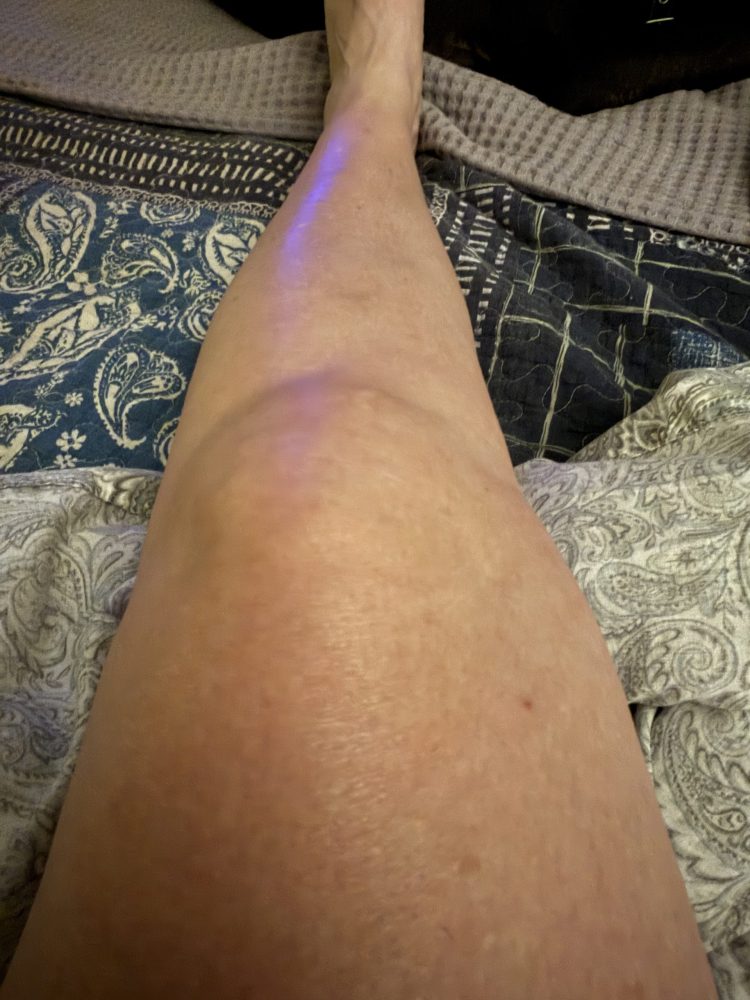
A little over a year ago, after reviewing the results of the MRI (Magnetic Resonance Imaging) on both knees, my orthopedic doctor said I did not need knee surgery – just therapy and that I “have many more miles on the knees.”
Well, as far as I am concerned, the quality of those miles stinks because I cannot even take my dogs for a short walk by the lake across the street from my house without my knees hurting or swelling up.
Most recently, after a few hours of light yard work, my left knee swelled up, was very painful, was difficult to even walk around my house, and I lost full range of motion of that knee.
I did what is typically recommended by healthcare professionals: rest, ice, compression, elevation. heat, took acetaminophen and muscle relaxers (I cannot stomach NSAIDs/anti-inflammatory medication), and even soaked in my Epsom salt baths for extra time each night.
That seemed to help, and the swelling went down with the range of motion returning as well. That is, until a few weeks later, I was preparing for a camping trip with some of my favorite girlfriends, and did the following tasks:
- Loading up my camper with supplies
- Hooking up the camper to my vehicle
- Driving three hours to Lake Michigan on the west side of Pure Michigan
- Unhooking the camper
- Setting up the popup camper
- Setting up our campsite
- Unloading coolers
- Making dinner
- Setting up the dogs on longlines
- Walking the dogs around the campground
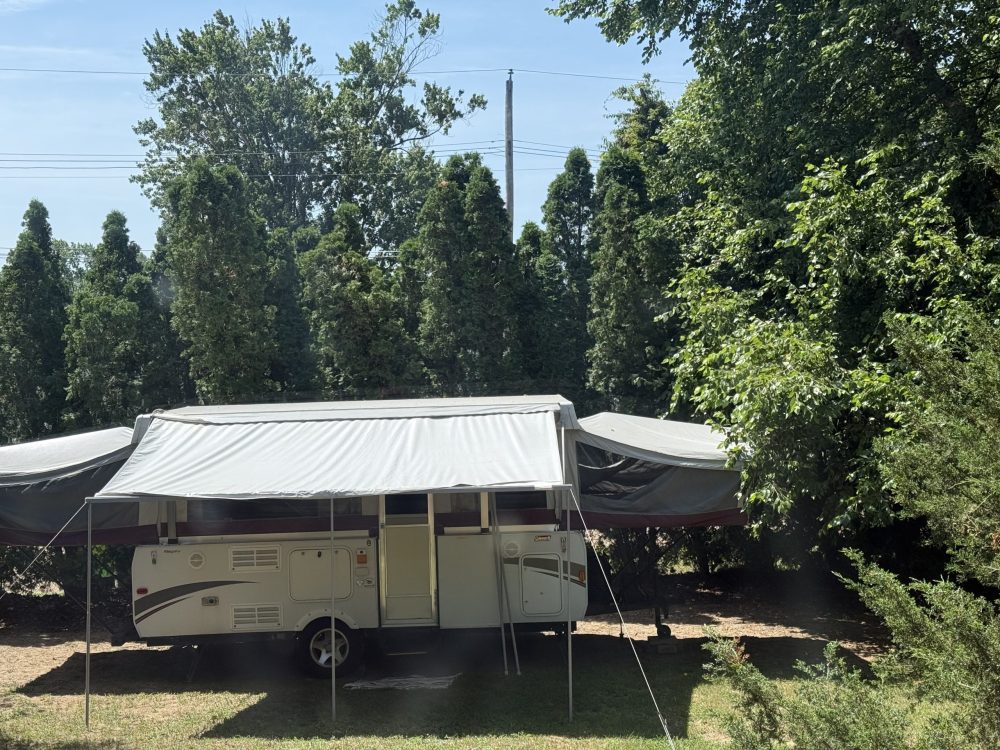
Granted, it was a lot of work, but I had an ice pack on my knee the whole drive out to Holland State Park, wore a knee brace, and tried to rest in between tasks. My friends were a huge help as well and did not let me do too much (one is a nurse), yet I am still hurting a week later with limited range of motion. I have a strong feeling that the meniscus tear is getting worse, at least in the left knee.
According to London Cartilage Clinic, they suggest the warning signs of a worsening meniscus tear are, “Meniscus tears are among the most common knee injuries and can affect people of all ages — especially those who are active in sports or experience gradual wear and tear. These injuries might happen suddenly or develop slowly over time, and if left untreated, they can worsen, leading to more serious knee problems.
Persistent or increasing pain — whether during activity or even while resting — is often a sign that the injury is progressing, particularly in cases of progressive knee pain meniscus issues. Swelling and stiffness that come and go, or gradually worsen, also suggest ongoing inflammation or damage. One key symptom to watch out for is a feeling of your knee locking, catching, or giving way — sometimes called knee locking torn meniscus. This can seriously limit your movement and day-to-day activities. Additionally, any noticeable reduction in how far you can bend or straighten your knee, or visible changes in the knee’s shape, should not be ignored,”.
*Note: All content within this article is meant for informational purposes only and is in no way a replacement for professional medical or psychological advice or support. Seek immediate and appropriate care from a healthcare professional should you or a trusted loved one deem it necessary.
How long to wear knee brace for torn meniscus
Although I have bought two wrap-around knee braces, one for each knee, I always seem to forget to use them. That is until I have pain after doing work that requires a lot of movement, walking up and down stairs, or lifting. However, at that point, I am behind the gun, so to speak, and have to play catch-up to address swelling when I should have been proactive and worn the brace in the first place. Ugg!
Based on the type of knee injury I have, the experts at Exakt Health suggest that, “A hinged knee brace provides a high level of support to control instability at the front and sides of your knee.
If your meniscus is torn on both sides, this brace may offer the best support. It is also the brace of choice for ligament injuries, like your ACL, medial collateral ligament (MCL), lateral collateral ligament (LCL) and posterior cruciate ligament (PCL).
Hinged braces can be soft or rigid and usually provide some form of compression. The severity of your injury will determine if you need a soft or rigid one. Compression helps decrease swelling, which reduces pain and promotes healing within the knee.
These braces prevent side to side knee movement and limit the bending and straightening of your knee to within a given range. Limits to ranges of movement are usually determined by a healthcare professional who knows the extent and type of your meniscus injury,”.
Okay, okay, I hear you loud and clear – I literally just iced my knee for twenty minutes and currently have the knee brace on. Based on what I learned, I will continue to do so for the next four to six weeks and then reassess at a later date.
How do you know if a meniscus tear is healing?
For most of my life, I have been an athlete, have historically had a high metabolism, eat healthily, and usually have an athletic body type. Since being on the injured list for the last couple of years, in menopause and dealing with sleep apnea, I have put on extra weight that I am not used to carrying.
Two years ago, I started an easy-does-it type of weight training, focusing mostly on my upper body and core because of my knee injuries. However, the recent meniscus tear flare-ups have inhibited me from even doing that. Maybe if I can continue icing and using the knee braces, I can get back in the gym to do a whole-body workout, including cardio, to help shed those unwanted pounds.
Liquid Cartilage says that, “One of the first signs your meniscus is healing is that pain starts to ease. Initially, pain might be sharp or persistent when you move or put weight on your knee. But as healing progresses, you should notice the pain becoming less intense and less frequent.
Swelling is another key sign to watch out for.
Flexibility and range of movement offer valuable clues too. As you heal, these movements should become smoother and less uncomfortable.
Improved ability to perform everyday tasks — like walking, climbing stairs, or light exercise — also signals healing. Paying attention to these functional gains is helpful when monitoring your recovery at home,”.
What are the signs of a worsening meniscus tear?
In conclusion, when knee pain, swelling, stiffness, or limited motion keep returning, it is worth listening to your body and checking in with a trusted healthcare professional.