Blog

  • Knee Pain Exercises to Avoid

    Knee Pain Exercises to Avoid

    From painful experience, I have found that these activities and exercises must be avoided with my knee pain:

    • Stair climbing
    • Squats
    • Jumping
    • Running
    • Lunges

    For those of us who played sports in excess and even played through the pain, later in life, we must face the reality of the responsibility of attending to overworked injuries. For example, I played many sports and in trying to look tough, I made any injury that occurred worse. Unfortunately, as I have heard, you cannot save your face and your butt at the same time! I certainly wish my twenty-something old self had heeded that warning.

    As a result, now in my early fifties, I am nursing the following injuries:

    • Torn meniscus in right knee
    • Torn meniscus in left knee
    • Baker’s cyst in left knee
    • Baker’s cyst in right knee
    • Impingement in left shoulder
    • Scar tissue buildup and limited range of motion in my right shoulder
    • Pelvic floor muscle loss and nerve pain
    • Sciatica on the lower left side of my back
    • Limited range of motion in neck
    • Bunyon on right foot
    • Tendonitis in left hip

    Recently, I have undergone physical therapy for my knees. The physical therapist said that the torn meniscuses couldn’t be repaired but that the goal was to build the muscles around the meniscus tears to take the brunt of the work off of those trouble spots.

    The therapists had me start with riding the stationary bike for eight minutes and then utilizing a knee exercise machine that delivers perfect, smart range of motion to solve straightening and bending of the knee. From there, I would do a series of knee and hip stretches inside the exercise cage to support balance and reduce falls.

    *Note: All content within this article is meant for informational purposes only and is in no way a replacement for professional medical or psychological advice or support. Seek immediate and appropriate care from a healthcare professional should you or a trusted loved one deem it necessary.

    Low impact workouts for bad knees

    Since completing my recent physical therapy round, I have now moved on to doing independent exercises at the gym with a low-impact workout because of my bad knees. Additionally, I limit my gym time to three days a week instead of overdoing it like I would have done in my younger years. I spent a few years not being able to do activities that I enjoy – I do not want to be benched again!

    Always talk with your doctor, orthopedic doctor, physical therapist, chiropractor, etc., before implementing any new workouts. These are the exercises that are good for me based on my healthcare team’s suggestions:

    • Stationary bike, ten minutes to warm up
    • Machine chest press (three sets, ten reps, fifteen pounds)
    • Machine row (three sets, ten reps, thirty pounds)
    • Machine shoulder press (three sets, ten reps, ten pounds)
    • Machine abdominal crunch (three sets, twenty reps, thirty pounds)
    • Low row (three sets, ten reps, thirty-five pounds)
    • Cable rope tricep pushdown (three sets, ten reps, twenty pounds)
    • Cable crossover (three sets, ten reps, twenty pounds)
    • Machine pec fly (three sets, ten reps, twenty-five pounds)
    • Machine tricep extension (three sets, ten reps, twenty-five pounds)
    • Machine bicep curl (three sets, ten reps, twenty-five pounds)
    • Machine seated leg curl (three sets, ten reps, thirty pounds)
    • Machine seated leg extension (three sets, ten reps, thirty pounds)
    • Machine hip abduction (three sets, ten reps, thirty pounds)
    • Machine lateral raise (three sets, ten reps, fifteen pounds)
    • Stationary bike, ten minutes to cool down
    • *Hydro massage for ten to twenty minutes as needed

    Once the weather breaks here in Southeast Michigan, I will add swimming in my lake to this exercise routine, as water workouts have very low impact and are successful.

    Upon returning home from the gym, I make a tall mug of caffeine-free green tea, soak in the bath with the jets on for fifteen minutes, pray and meditate, turn the jets off, add Epsom salt, and soak for another twenty minutes while listening to spiritual, self-improvement speakers.

    So far, this method of working out has been effective for me, and I have yet to injure myself as I am focusing on taking it easy, going with light weights, and making sure to immediately take care of my muscles with massage and bath soaks.

    However, the inflammation in my knees and shoulders isn’t just because of old injuries; I am also menopausal. So what’s a girl to do? Let’s see what the experts have to say.

    Does low estrogen cause joint pain in women?

    The role of estrogen is to protect joints and reduce inflammation. However, if estrogen levels drop to lower levels, inflammation might increase. Additionally, the risk of osteoporosis and osteoarthritis could also go up, and painful joints will be the result. And for someone like myself in menopause, my estrogen levels are dropping by the minute, it seems like!

    According to the National Library of Medicine, “Osteoarthritis (OA) affects all articular tissues and finally leads to joint failure. Although articular tissues have long been considered unresponsive to estrogens or their deficiency, there is now increasing evidence that estrogens influence the activity of joint tissues through complex molecular pathways that act at multiple levels. Indeed, we are only just beginning to understand the effects of estrogen deficiency on articular tissues during OA development and progression, as well as on the association between OA and osteoporosis. Estrogen replacement therapy and current selective estrogen receptor modulators have mixed effectiveness in preserving and/or restoring joint tissue in OA. Thus, a better understanding of how estrogen acts on joints and other tissues in OA will aid the development of specific and safe estrogen ligands as novel therapeutic agents targeting the OA joint as a whole organ,”.

    In the meantime, there are lifestyle adjustments and treatments that can alleviate some of the pain and inflammation I am experiencing. For starters, anti-inflammatory diets rich in Omega-3 fatty acids, found in fish such as salmon, and supplements can make a big difference. Additionally, specific vitamins and minerals such as Vitamin D and Calcium are crucial for bone health and can help counter some of the effects of estrogen deficiency.

    Exercise, although it may seem counterintuitive when in pain, has been highly beneficial. Low-impact activities like swimming or, for me, short walks and stretching keep my joints flexible and reduce stiffness without subjecting them to unnecessary stress. Strengthening the muscles around my joints also provides better support, minimizes pain, and prevents further damage.

    Knee pain exercises to avoid

    In conclusion, staying active with knee pain requires intention and care—avoid high-impact moves, stick with low-impact routines, and always listen to your body and your doctor.

  • CrossFit Exercise List

    CrossFit Exercise List

    As a child, I played many sports that I not only loved but was gratefully gifted with. When I was a little girl, there were not many hockey teams for girls, and my mom was not a fan, so I did not get to play hockey like my boy cousin did. Although, that same cousin taught me how to play hockey, and we played a lot of pond hockey against the other kids in the neighborhood. And we won a lot!

    The main sports that I played through middle school were:

    • Softball (shortstop and third base)
    • Track (I competed in the 100- and 50-yard hurdles as well as the two-mile relay as the anchor)
    • Volleyball (voted most aggressive!)
    • Swimming (freestyle)
    • Basketball (defense)

    Once I got to high school, I made the varsity team for our highly accredited softball team. I would have loved to continue running track, but the seasons were at the same time.

    However, it was okay because I loved softball so much that I trained all year long until the season began with conditioning in mid-February and then continued weight training throughout the season in an effort to be a better offensive as well as defensive player.

    Since those days, many new exercise routines and training techniques have been developed for which I am not educated. Let’s see what the experts have to say about what exercises are included in a CrossFit gym routine.

    According to CrossFit, “At the top are CrossFit’s nine foundational movements. These will help you develop the skills you need to tackle the long list of functional movements listed alphabetically below.

    A rotation of constantly varied functional movements in our workouts is an essential part of CrossFit. The more movements you adopt from the list, the greater the level of fitness you will ultimately forge. This should be looked at as a life-long pursuit and well worth the effort. Enjoy!

    • The Squats
    • The Air Squat
    • The Front Squat
    • The Overhead Squat
    • The Presses
    • The Shoulder Press
    • The Push Press
    • The Push Jerk
    • The Deadlifts
    • The Deadlift
    • The Sumo Deadlift High Pull
    • The Medicine-Ball Clean,”.

    Furthermore, after high school, I went on to play in pick-up leagues into my late forties and kept up with the stretching and conditioning. Unfortunately, in my forties, I started to incur many injuries, which then took me out of the game altogether.

    Since then, I have had many rounds of physical therapy, chiropractic care, acupuncture sessions, and even dry needling to address those injuries. Recently, as I entered my fifties, becoming stiffer and less mobile, I found how true Isaac Newton’s first law of motion, also known as the law of inertia, is! This theory states that an object at rest stays at rest, and an object in motion stays in motion. How true and apropos this is for an old, broken-down athlete such as myself!

    Since my body must stay in motion, or I will freeze up, I have taken the lead of my sixteen-year-old son and have begun weight training again, looking to explore the CrossFit method.

    What are the 10 things of CrossFit?

    CrossFit recognizes the following ten areas in fitness:

    • Agility
    • Accuracy
    • Balance
    • Coordination
    • Endurance
    • Flexibility
    • Power
    • Speed
    • Strength
    • Stamina

    Needless to say, I have had a lot of experience in exercise training, weight training, and conditioning as a result of playing many sports, but I have yet to attempt the CrossFit routine. A well-designed program will help an athlete such as myself develop capacity across all the above domains, as long as I keep my “body in motion,” as Newton would say.

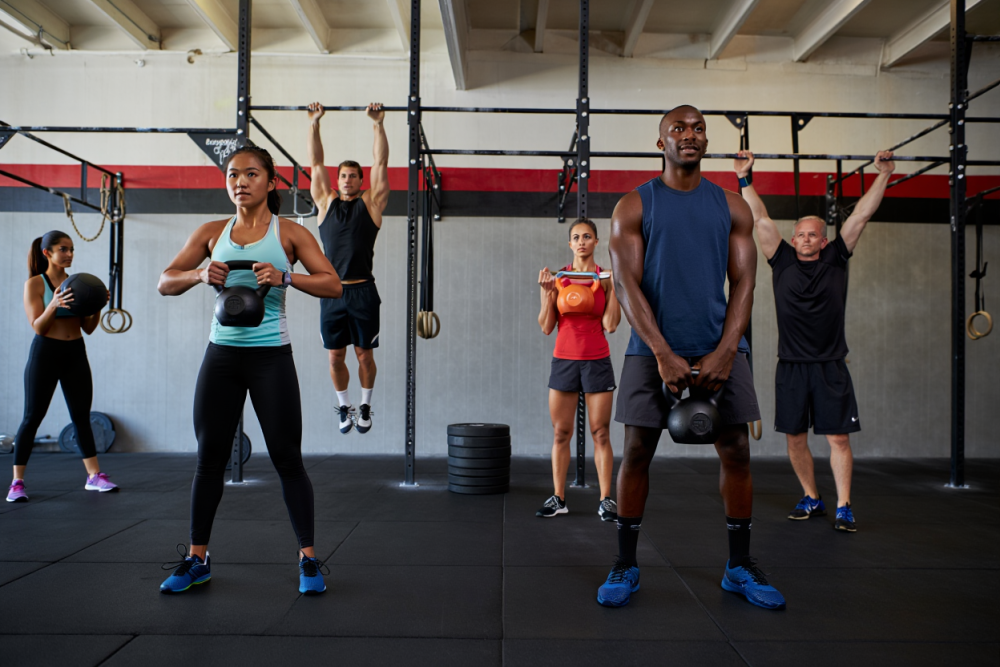
    Wikipedia notes this about what to expect in CrossFit gym classes, “CrossFit gyms use equipment from multiple disciplines, including barbells, dumbbells, gymnastics rings, rope climbs, pull-up bars, jump ropes, kettlebells, medicine balls, plyo boxes, resistance bands, rowing machines, exercise bikes, SkiErg, and various mats. CrossFit is focused on “constantly varied high-intensity functional movement”, drawing on categories and exercises such as calisthenics, Olympic-style weightlifting, powerlifting, strongman-type events, plyometrics, bodyweight exercises, indoor rowing, aerobic exercise, running, and swimming,”.

    What is the 80/20 rule in CrossFit?

    As I do not know much about this type of training yet, I will defer to the experts. Again, from the official CrossFit website, they stated that, “The Pareto principle, commonly called the “80/20 rule,” suggests that 80% of outcomes result from 20% of inputs. By prioritizing our efforts on the 20% — the most impactful, critical factors for success in our chosen endeavor— we can achieve most of our desired results rather than getting bogged down in details that detract from the end goal.

    In short, Pareto’s principle offers a method for working smarter, not harder, providing an efficient path to the most significant results. CrossFit is Pareto’s principle in action. In the words of Bruce Lee, we’ve “hacked away the unessential” to create a tremendously effective and efficient methodology for developing elite levels of fitness and health. We use intensity, functional movements, variance, mixed-modality workouts, and nutrition to reap maximum benefit in minimum time,”.

    In addition to all the physical aspects, what draws many people to CrossFit is the strong sense of community and accountability it fosters. Unlike traditional gyms, where you might work out alone, CrossFit boxes (as the gyms are called) often operate with group classes that build camaraderie and motivation.

    Coaches are usually very hands-on, helping participants scale workouts to fit their current fitness level while still encouraging progress. There’s also a culture of celebrating personal victories—whether it’s mastering a new movement, hitting a personal record, or simply showing up consistently. This atmosphere can be especially encouraging for someone like myself who is returning to fitness after injuries or long breaks.

    Although, I should probably consult my healthcare professionals first before trying something new!

    *Note: All content within this article is meant for informational purposes only and is in no way a replacement for professional medical or psychological advice or support. Seek immediate and appropriate care from a healthcare professional should you or a trusted loved one deem it necessary.

    CrossFit exercise list

    In conclusion, embracing CrossFit at this stage in life feels both challenging and invigorating. With its supportive community, scalable workouts, and emphasis on lifelong health, I’m excited to see how far this journey can take me—one rep, one day at a time.

  • Is Pilates Good for Bad Knees

    Is Pilates Good for Bad Knees

    The insurance benefits and plan that I currently hold includes vision and fitness coverage, which is a phenomenal choice for me as I am in physical therapy for a torn meniscus in both knees. Using specific knee recovery equipment as well as tailored stretches, I am putting off surgery for a little while longer. Or, as an orthopedic said, “You have a few more miles on those knees before you need surgery.”  

    Along with physical therapy, I have begun working out again in the gym as the membership of the gym is completely covered under the fitness benefit. Naturally, I am not doing any exercises that put stress on my knees, but I am focused on strengthening my core and upper body. With only a few more sessions of physical therapy, I am considering adding Pilates to my workout routine. Firstly, I need to know if Pilates is good for bad knees as the meniscus will not be healed, but the muscles around them will be strengthened to support the injuries.

    According to a report done by CNN Health, “Knees absorb about 1.5 times your body weight while walking on level ground. That jumps to 316% of your body weight while climbing stairs and 346% while descending stairs… To stave off knee pain, you primarily need strong quadriceps, hamstrings, glutes and calves… The low-impact, simple movements of Pilates were found to improve people’s mobility, gait and postural stability,”.

    Based on this report, the following are some recommended Pilates exercises that may be helpful:

    • Shoulder bridge prep
    • Half roll-down
    • Squat
    • Straight leg raises
    • Standing hamstring curl

    Because Pilates is a low-impact workout that strengthens core muscles, improves balance and stability, it can assist in relieving pressure on knee joints as well as a beneficial form of exercise for people with knee pain or problems.

    However, some moves may not be suited for certain injuries or conditions. For example, I am absolutely unable to do squats with my torn meniscus injuries, but I am able to handle the others. Most importantly though, I am always sure to get advice from my healthcare team first before implementing anything new to my exercise routine.

    *Note: All content within this article is meant for informational purposes only and is in no way a replacement for professional medical or psychological advice or support. Seek immediate and appropriate care from a healthcare professional should you or a trusted loved one deem it necessary.

    What is the best exercise for damaged knees?

    Now that we have determined that Pilates is beneficial to add to an exercise routine if you have damaged or injured knees, let’s see what the medical professionals have to suggest in addition to what we have already discussed.

    An orthopedic sports rehab facility discusses how to best approach exercises for damaged knees, “Following a well-structured conditioning program will also help you return to sports and other recreational activities.

    Strength: Strengthening the muscles that support your knee will reduce stress on your knee joint. Strong muscles help your knee joint absorb shock.

    Flexibility: Stretching the muscles that you strengthen is important for restoring range of motion and preventing injury. Gently stretching after strengthening exercises can help reduce muscle soreness and keep your muscles long and flexible.

    Target Muscles: The muscle groups targeted in this conditioning program include:

    • Quadriceps (front of the thigh)
    • Hamstrings (back of the thigh)
    • Abductors (outer thigh)
    • Adductors (inner thigh)
    • Gluteus medius and gluteus maximus (buttocks)

    Length of program: This should be continued for 4 to 6 weeks, unless otherwise specified by your doctor or physical therapist. After your recovery, these exercises can be continued as a maintenance program for lifelong protection and health of your knees. Performing the exercises two to three days a week will maintain strength and range of motion in your knees,”.

    I’m eager to share my experience incorporating Pilates into my knee rehabilitation journey. It’s been incredibly rewarding, as I’ve noticed an increase in flexibility and a decrease in discomfort. A Pilates workout encourages slow, controlled movements focusing on alignment, which has been fantastic for my knee recovery. I’ve learned to listen to my body, modifying exercises when needed and ensuring I’m avoiding any potential strain.

    In addition to Pilates, swimming has also been recommended to me. The buoyancy of water reduces the impact on my knees while providing a full-body workout. Engaging in these low-impact exercises has helped me stay active and maintain my fitness levels without compromising my knee health.

    How to exercise with bad knees to lose weight at home

    Unfortunately, since my knees have forced me to be less mobile, inactive, and I am making far fewer trips up and down my stairs than I used to, I have gained some unwanted weight. Although I am back in the gym working out, I cannot do all of the most effective weight loss exercises like those in a cardio workout.

    Again, if I can focus on low-impact workouts like Pilates, cycling, swimming, or water aerobics, I might have better luck in losing the extra pounds gained by resting my knees.

    Furthermore, incorporating mindfulness practices such as meditation or yoga can also complement your rehabilitation journey. These practices not only promote mental well-being but may also assist in managing pain, improving flexibility, and supporting overall recovery.

    Additionally, by changing my diet to be geared towards anti-inflammatory benefits is crucial. Foods rich in omega-3 fatty acids, like salmon and walnuts, or those abundant in antioxidants, such as berries and leafy greens, can support joint health and potentially aid in weight management.

    Engaging in a supportive community, whether online or in person, can provide motivation and encouragement. Sharing your experiences and learning from others who are also dealing with knee issues can be incredibly empowering and offer new insights into diverse rehab strategies.

    Lastly, working with a certified personal trainer who specializes in injury recovery and preventive care has customized a fitness plan that aligns with my evolving needs, ensuring each session is both safe and effective.

    Is Pilates good for bad knees

    In conclusion, navigating knee injuries requires a multifaceted approach that includes strength-building, low-impact exercises like Pilates, mindful practices, and a supportive diet. Remember to embrace each small victory and remain patient in your recovery journey. By focusing on both physical and mental well-being, you can enhance your quality of life and work towards optimal knee health.

  • Best Boating Lakes in Michigan

    Best Boating Lakes in Michigan

    As a Michigander, we know that no matter where you live in the Mitten State, you are never more than six miles away from an inland lake or eighty-five miles away from a Great Lake. With that said, there are so many lakes to choose from that it truly depends on who you are asking in regards to what the best boating lakes are in Michigan.

    One of my favorite memories is when we took our children for a day of boating that began on Indian River to Mullet Lake that fed into the Cheboygan River, that leadsto Lake Michigan. We stopped at a restaurant on the way to Lake Michigan for dinner and then we had to head back to our place on Indian River before it was dark as navigating on the Cheyboygan River is very difficult at night.

    It also depends on what type of boating you are doing. For example, below is a basic list of the many types of boats you can choose from:

    • Pontoon boats
    • Fishing vessel
    • Deck boats
    • Catamaran
    • Jet boats
    • Superyacht
    • Runabouts
    • Center console boats
    • Fishing trawler
    • Bass boat
    • Cruisers
    • Dinghy
    • Johnboat
    • Bowrider
    • Houseboats
    • Lifeboat
    • Wakeboard
    • Yacht
    • Canoe/kayak
    • Sailing yachts
    • Ski boats
    • Cabin cruisers
    • Sailboats
    • Personal watercraft/jet ski

    If you ask our state official Travel and Tourism website, Pure Michigan, they will tell you that these are the best boating lakes in Michigan:

    1. “Les Cheneaux Islands – Lake Huron (The Les Cheneaux Islands Resort Area is located in Michigan’s Eastern Upper Peninsula)
    2. Torch Lake – Alden (clear, Caribbean blue waters and breathtaking beauty)
    3. Lake St. Clair – Detroit (the lake that connects Lakes Erie to Lake Huron and the Detroit River)
    4. Spring Lake and Lake Michigan – Grand Haven (boating history of this popular tourist town goes back to the days when the fur traders were the ones plying the waters… It’s also been named the official “Coast Guard City USA.”)
    5. Big Manistique Lake – Curtis (The largest of the Manistique collection of lakes, this 20,000 acre lake connects to hundreds of miles of rivers and streams, making it attractive for boating and fishing alike)
    6. Lake Charlevoix – Charlevoix and Boyne City (A USA Today poll once named this second most beautiful lake in the country, a close second only to California’s Lake Tahoe)
    7. Grand Lake – Alpena
    8. Mullett Lake – Topinabee (With 26 miles of surface area, Mullet Lake is known as the lake with room for everyone… part of the Inland Waterway, a series of connected lakes and rivers that can take you from one side of the state to the other by water)
    9. Lake Leelanau – Leland
    10. Gull Lake – Battle Creek (total surface area of more than 2,000 acres, and there’s a notable sport fishery for trout, salmon, smallmouth bass, smelt and yellow perch),”.

    Personally, I am not a fan of Lake St. Clair as I am a West-sider, and this lake hosts too many East-siders, in my opinion. Mostly because it is often on the “not safe for swimming” list. If I cannot get on any of the Great Lakes, I enjoy my home lake where I live, in the Lakes Area of Southeast Michigan in the County of Oakland.

    How many lakes are in Oakland County?

    There are 387 lakes in Oakland County, and of those lakes, 317 are named, while 70 are unnamed lakes.

    When I was in college, I worked in the restaurant business as a server and a bartender. Growing up in Canton for most of my life, I knew that I would make the most money in restaurants located in Oakland County, as it is home to some of the wealthiest cities in the country, such as Bloomfield Hills and Birmingham.

    While working at a restaurant in Bloomfield Hills, I often pulled double shifts, and because I lived almost an hour away, in between those shifts, I would drive around to look at and sit by the lakes in the area. Immediately, I fell in love with the area. Naturally, out of college, I couldn’t yet afford to be on Orchard Lake, so I found a beautiful area in the Commerce/West Bloomfield location where they are affectionately nicknamed “The Lakes Area.”

    The inland lakes around here are well taken care of, clean, have great fishing, and have fewer incidents of accidents and deaths. The people are friendly, and it has a small-town feel yet has all the amenities that one needs to live and raise a family.

    Additionally, this area is home to several state parks, county parks, and city parks. There is no shortage of trees, lakes, and wildlife. In fact, on a daily basis, I get to see two different bald eagles fly over my house to the lake that they call home – they live in one of the oldest lakeside trees in the area.

    Metromode, a digital news magazine, cites the following about Oakland County lakes:

    • Oakland County’s lakes are a gift from the ice age (The lakes are the result of the de-glaciation of this region about 17,000 years ago)
    • Native people first knew the beauty of Oakland’s lakes (Historical records from the early 1800s suggest the lakes drew native American populations, presumably for their rich stores of fish and birds…The Potawatomi maintained a seasonal village in the northwest shore of Walled Lake as late as the 1820s)
    • Oakland County’s lakes were once the “up north” to Detroiters (to some, they still are)
    • Lakes are for the birds (Fall migration season means Oakland County’s lakes welcome a variety of duck, geese and swan)
    • Lakes spur industry… and connect generations
    • Lakes boost property values (Oakland County’s lakes add more than $1 billion in value to Oakland County’s residential properties…water-based recreation generates about $200 million annually in the county.)
    • Lakes are managed by the people who live on them (Addressing lake and watershed health issues is an important part of the work of a lake association or lake management board, which is a collective of local government and resident stakeholders who work collaboratively to monitor such things as water bacteria and invasive aquatic species and plants.)
    • Shorelines are critical to lake health

    A judge sets many of Oakland County’s lake levels (By law, 54 of Oakland County’s lakes in the river basins of the Clinton, Huron, Rouge, Shiawassee and Flint Rivers have water levels which are monitored and maintained by court order to provide flood control, maximize recreation and protect property values.),”.

    What is the coldest lake in the United States

    Fortunately, I have had the privilege of swimming in four of the five Great Lakes, as well as many rivers, while traveling and camping with my family. By far, Lake Superior, with its northernmost location, is the coldest lake to swim in.

    The Great Lakes Commission notes that, “With an average depth approaching 500 feet, Superior also is the coldest and deepest (1,332 feet) of the Great Lakes. The lake stretches approximately 350 miles from west to east, and 160 miles north to south, with a shoreline almost 2,800 miles long. The drainage basin, totaling 49,300 square miles, encompasses parts of Michigan, Minnesota, Wisconsin and Ontario,”.

    Best boating lakes in Michigan

    In conclusion, Michigan offers countless boating adventures with diverse options, like Torch Lake’s Caribbean-blue waters, Lake Huron, and the many inland lakes of Oakland County.

  • Best Things About Louisville KY

    Best Things About Louisville KY

    The first thing I think of when considering what the best things are about Louisville, Kentucky (KY) is the classic Louisville Slugger baseball bat. My grandfather (Pops) played AAA Baseball in the 1940s and then local city club ball into his thirties until he blew out his shoulder and could no longer throw overhand. He could still throw a mean sidearm, though; however, from my own experience, it’s really difficult not to throw overhand in the midst of a double play at shortstop in the beer league playoffs.

    Naturally, I followed in my Pops’ footsteps, and he mentored me into an all-state shortstop in high school fastpitch softball. To say that he or I love the game of baseball would be an understatement!

    Now, back to Louisville…I only wish my Pops and I had had an opportunity to visit the museum together before he passed. I do not think it would take us long to adjust to Louisville at all. “The Louisville Slugger Museum & Factory is a museum and factory tour attraction located in Louisville, Kentucky’s “Museum Row,” part of the West Main District of downtown. The museum showcases the story of Louisville Slugger baseball bats in baseball and in American history,”. – Wikipedia

    Here’s a list of some of the best things about Louisville, KY:

    • Louisville Slugger Museum & Factory
    • Muhammad Ali Center
    • Kentucky Derby Museum
    • Louisville Mega Cavern
    • Big Four Bridge
    • Cave Hill Cemetery
    • Churchill Downs
    • Evan Williams Bourbon Experience
    • Historic Old Louisville Walking Tour
    • Kentucky Peerless Distilling Co
    • Louisville Locomotion Scavenger Hunt
    • Waterfront Park
    • Louisville Zoo
    • Museum Hotel Louisville
    • Belle of Louisville
    • Kentucky Bourbon Trail
    • Cherokee Park
    • Kentucky Science Center
    • Butchertown Market Building
    • Speed Art Museum
    • The Parklands of Floyds Fork
    • Waverly Hills Sanatorium
    • Beckley Creek Park

    While baseball holds a nostalgic and deep connection for many of us, Louisville has so much more to offer beyond the diamond. Let’s dive deeper into some other highlights that make this city a gem in the Bluegrass State.

    One of the must-visit places in Louisville is the Muhammad Ali Center. Established to honor the life and legacy of the iconic boxer, the center provides a profound insight into Ali’s life, his philosophies, and his impact on the world. It’s not just an interactive museum but a cultural hub that promotes respect, hope, and understanding—values Ali cherished deeply.

    Of course, Louisville wouldn’t be complete without mentioning the Kentucky Derby Museum. Situated at the famous Churchill Downs, it celebrates the “Greatest Two Minutes in Sports.” The museum takes you through the history, pageantry, and excitement of the Kentucky Derby. Even if you’re not a horse racing enthusiast, the sheer energy and tradition captured here are bound to captivate.

    For the more adventurous souls, the Louisville Mega Cavern is an underground marvel. This former limestone cavern has been transformed into a mega attraction featuring zip lines, a ropes course, and tram tours. It’s a unique way to experience Louisville from below the surface and is perfect for thrill-seekers or families looking for something different.

    Ok, so there are quite a few places I would like to visit, including the Louisville Slugger Museum and Factory. And even though I can no longer play the game anymore, I will be buying a bat right from the factory!

    Did Louisville ever have a baseball team?

    According to The Baseball Almanac, “The Louisville Colonels played their home games in Eclipse Park from 1882, through 1893. It was located in Louisville, Kentucky at 28th and Elliott Street. In late 1893, they moved to Eclipse Park (II), down at 28th and Broadway. Tony Mullane, on September 11, 1882, threw a no-hitter for the Louisville Colonels,”.

    Later, the team was named the Grays, and unfortunately, they made history as baseball’s first scandal. The Baseball Almanac went on to note that, “In 1877, the Grays led the league in the final weeks of the season, losing to the Boston Red Caps in the final game. It was later discovered that gamblers had paid four Louisville players to lose games in 1877 so that Boston would win the championship,”.

    This scandal led to the demise of the Grays, and the four team members were banned from playing professional baseball for life. For baseball lovers like my Pops and I, you might as well have thrown us in prison for life because a life without baseball is a life I do not want to live. And since I physically cannot play the game anymore because of multiple injuries, at least I can still watch my Detroit Tigers and eat hotdogs at Comerica Park (formerly Tiger Stadium) or just venture down the road to watch the local high school baseball games.

    Why is Louisville important to baseball?

    Louisville is important to baseball because of that same team, The Grays. They hosted the first baseball game in 1865. According to KY.gov, “…played under standard rules west of the Alleghenies, where they  (The Grays) defeated the Nashville Cumberland’s. When Louisville businessman Walter Haldeman and others formed the National League in 1876, this Louisville club was a charter member,”.

    To further understand why baseball is so crucial to Louisville, it’s essential to explore the deep historical roots the game has in the city. The Louisville Slugger Museum encapsulates the passion that runs through the city’s veins, but the impact is evident in many facets of Louisville’s life.

    Aside from the early days of The Grays and Colonels, Louisville’s contribution to baseball also extends to its economic and cultural spheres. The production of Louisville Slugger bats has provided countless jobs and upheld a tradition of craftsmanship that is second to none. These bats have become iconic, wielded by some of the greatest players in the history of the sport.

    Moreover, the annual Thunder Over Louisville event, which kicks off the Kentucky Derby Festival, often features baseball-themed festivities, showing just how woven baseball is into the cultural fabric of the city. Meanwhile, local leagues, from Little League to high school ball, thrive, demonstrating that passion for the game is passed down from generation to generation.

    Furthermore, Sluggers Field, home to the Louisville Bats, the AAA affiliate of the Cincinnati Reds, offers fans a place to enjoy the game, recognize emerging talents, and relive the excitement the sport brings.

    In short, baseball isn’t just a sport for Louisville; it’s a tradition, an industry, and a continual source of pride and community cohesion.

    Best things about Louisville KY

    In essence, Louisville is a blend of rich history, vibrant culture, and scenic beauty. It’s a city that offers something for everyone—whether you’re a sports enthusiast, a history buff, an adventurer, or someone simply looking to enjoy some Southern hospitality. Each visit uncovers another layer of what makes Louisville truly special, leaving you with both memories and a longing to return.

  • Why Would Someone Need an Arthroscopy?

    Why Would Someone Need an Arthroscopy?

    Why someone would need an arthroscopy is because they might have conditions such as torn meniscus, bone fragments, cartilage loss, or fractures that might not have healed correctly. More specifically, it is used to treat rotator cuff injuries and torn meniscus. Additionally, it can also be used to remove loose bone fragments, inflamed synovial tissue (the lining of the joint), and cysts. Arthroscopy would be a viable solution to the torn meniscus, and Baker’s Cysts I have going on in both my left and right knees, as I am no stranger to this type of procedure.

    For example, I had a Tenex procedure, a type of arthroscopy, on my right shoulder. Tenex is a minimally invasive procedure that uses a scope guided through a small 2-3 mm incision, where ultrasound imaging is used to see where the damage is on the tendon to break down and remove any of the damaged tissue with the suction mode. Once the procedure is completed, only a small bandage is needed to cover the point of entry, with no sutures or stitches typically required for most.

    However, it is important to note that if you’ve had a fractured patella, ACL tear, or arthroscopy, they are harder to recover from than other knee surgeries or the Tenex procedure because the leg is placed in a cast for weeks, allowing scar tissue to form and muscle atrophy to occur. So, it is imperative that once the cast is removed, to engage in as much therapy as possible. It is also worth considering an arthroscopy recovery machine to help move recovery forward faster.

    Unfortunately, I will need an arthroscopy treatment on both knees. It might turn out that I do not need surgery if the arthroscopy is successful in resolving all my issues. According to the Mayo Clinic, “Arthroscopy (ahr-THROS-kuh-pee) is a procedure that uses a fiber-optic camera to diagnose and treat joint problems. A surgeon inserts a narrow tube attached to a fiber-optic video camera through a small incision — about the size of a buttonhole. The view inside the joint is transmitted to a high-definition video monitor.

    Arthroscopy allows the surgeon to see inside the joint without making a large incision. Surgeons can even repair some types of joint damage during arthroscopy, with pencil-thin surgical instruments inserted through additional small incisions,”.

    Why do people need arthroscopic surgery?

    An arthroscopy is often done to check what’s causing symptoms such as joint pain, swelling, stiffness, joints locking, moving out of position, or giving way. Ouch, I have had that happen on more than one occasion! The Cleveland Clinic defines an arthroscopic surgery, “Providers use arthroscopy to diagnose and treat a range of joint, tendon and ligament problems, such as: Knee pain, instability and other injuries, including anterior cruciate ligament (ACL) tears and meniscal tears. Torn ligaments, cartilage and tendons,”.

    Before surgery is even an option, I must exhaust all of the options. So far, I have gone through many years of trying to decipher whether my chronic pain was a result of bone cracks, scar tissue build-up, or muscle tears. For at least a decade, I have done the following for the bone, muscle, and nerve pain I am experiencing:

    • Physical Therapy (both shoulders, back, pelvic floor and started with knees)
    • Acupuncture
    • Chiropractic
    • Tenex procedure on my left shoulder
    • Deep tissue massage
    • Dry needling

    Currently, I am dealing with multiple injuries, such as:

    • Impingement in the left shoulder
    • Scar tissue build-up and limited range of motion in my right shoulder
    • Pelvic floor muscle loss and nerve pain
    • Sciatica on the lower left side of my back
    • A torn meniscus in the left knee
    • Baker’s cyst on the back of left knee
    • A torn meniscus in the right knee
    • Baker’s cyst on the back of the right knee
    • Limited range of motion in the neck
    • Bunyon on the right foot

    While I have tried many means to address and recover, my knees have fallen to the end of the priority list. I’ve come to an impasse as the exercises I need to do for my back hurt my knees. It looks like arthroscopy will be the best route for me, but what type? I will not know until I speak to my healthcare team.

    Cleveland Clinic went on to note the following uses of arthroscopy, “Diagnose injuries: During knee arthroscopy, your healthcare provider takes a close look at any painful or swollen areas. The camera shows images of damaged soft tissues and bones. The images help your healthcare provider diagnose injuries (or confirm a diagnosis) and plan treatment.

    Repair injured soft tissues and bones: If you need surgery to repair tendons, ligaments or cartilage, your healthcare provider uses specially designed tools. The camera shows real-time images that guide your healthcare provider during the procedure. Your healthcare provider uses tiny tools to repair and reconstruct soft tissues by stitching them together. They can also suture (stitch) bones together.

    Remove damaged or inflamed tissue: Some tiny tools help your healthcare provider shave off damaged bone and cartilage or inflamed tissue (such as the synovium). They use tools to remove these tissues from your knee,”.

    How long is recovery for arthroscopic knee surgery meniscus?

    Being that I lead a busy lifestyle as a single mom of teenage young men, I will be fortunate to have their help around the house while I recover, but I am concerned about the length of time I will be required to sit still as I do not do that very well.

    I was told that I will most likely be able to return to most of my regular activities within a few weeks, although it will be several months before I will have complete use of my knee. Depending on the severity of my injuries, it may take as long as six months before my knee is strong enough for hard physical work or specific sports. I realize my softball playing days are over, but this is exciting to learn as I would like to just take a walk with my dog!

    Essentially, it’s clear that arthroscopy will be an invaluable tool for diagnosing and treating a variety of joint-related issues, such as torn meniscus, inflamed tissues, and bone fragments. Personally, my journey with knee issues and shoulder procedures has given me a firsthand appreciation for how these minimally invasive surgeries can provide relief and aid recovery.

    Why would someone need an arthroscopy?

    In conclusion, despite the inevitable recovery period, the prospect of regaining mobility and reducing pain is well worth the effort and going through the arthroscopy. If you are facing similar challenges, discussing arthroscopy with your healthcare team could be a practical next step toward better joint health. While the road to full recovery may be lengthy, having a plan and the proper support will undoubtedly make all the difference.

  • Difference Between Arthroscopy and Knee Replacement

    Difference Between Arthroscopy and Knee Replacement

    A little over five years ago, I decided to change the trajectory of my life and chose a different path to take this life journey on. It started with learning self-care and not ignoring when I felt pain, whether it was physical or psychological. When it came to the physical part, I learned that it, too, was a process and a journey to recovery.

    Since that time, I have liked to joke and say that I have been “under construction.” I usually get at least a chuckle. I have to laugh, or I would be crying because I have gone through many rounds of physical therapy, acupuncture and have had a Tenex procedure in my right shoulder. I have been dealing with chronic pain all of this time.

    Currently waiting to hear what my orthopedic says I need to do about my knees. Yes, I meant to say plural because both knees have torn meniscus. Plus, I hear a lot of cracking and popping going in my knees that gives me the heebie-jeebies!

    So, I am not sure if I will end up having both knees completely replaced or if I will try to go the arthroscopy route first. I would still need physical therapy and possibly a post-surgery arthroscopy recovery machine, but maybe return to a better normal than it’s been for years. Then, hopefully, I can put off total replacement for at least another five to ten years.

    In response to how arthroscopy helps a torn meniscus, The Mayo Clinic says, “In some cases, your doctor might use an instrument known as an arthroscope to examine the inside of your knee. The arthroscope is inserted through a tiny incision near your knee.

    The device contains a light and a small camera, which transmits an enlarged image of the inside of your knee onto a monitor. If necessary, surgical instruments can be inserted through the arthroscope or through additional small incisions in your knee to trim or repair the tear,”.

    The conclusion to a study by The National Institute of Health says this about the difference between arthroscopy and knee replacement, “Our overview of treatment for meniscal tear shows some promising step forward in the understanding of the important role of the meniscus that have led to a move toward meniscal preservation. Therapies that successfully repair or replace the meniscus are therefore likely to prevent or delay osteoarthritis progression.

    Meniscal repair, whenever possible, must be the preferred option for patients with a meniscal lesion. The biomechanical properties of the native meniscus are not copied entirely by the scaffolds that exist today. Congruence, fixation, biocompatibility and potential infection will always remain as limitations for the users of allografts.

    As research in biological augmentation and tissue engineering continues to develop, we expect that conservative treatments and meniscal replacement will be more widely used in younger patients in the future,”.

    Okay, now I have more to think about.

    Will a knee replacement help a torn meniscus?

    I was told that if I needed knee replacement surgery, it meant that my knee pain was likely to be persistent, that it would disrupt my sleep, interfere with my daily activities, and the pain wouldn’t respond to over-the-counter pain medications. They said that in order to relieve my constant pain, my doctor would probably recommend knee replacement surgery.

    However, I must remember that the outcome of what my professional healthcare team decides is not under my complete control. Even though I will consult with various doctors and close friends who have undergone this type of situation before making my final decision, I do have a great team, and I completely trust their professional opinions.

    To give you an idea of what someone with a torn meniscus feels, The University of Michigan Medicine explains it this way, “When cartilage inside the knee joint starts to break down, a person may begin to experience pain.

    ‘If you were to look inside a healthy knee joint you’d see a thick cushioning of cartilage that covers and protects the ends of your bones, as well as another type of cartilage, called the meniscus, that acts like a shock absorber between the bones,’ says Andrew Urquhart, M.D., a professor of orthopaedic surgery at Michigan Medicine’s Comprehensive Musculoskeletal Center,”.

    That’s exactly it – I have been telling people that it feels like I do not have any shocks! My concern, though, is that recovery time is warranted as I work full time, am a single mom of two teenage dogs, and am a sole homeowner (that’s also been under construction for the last two years).

    How painful is a total knee replacement?

    From what I have heard, it is painful after surgery, but what surgery isn’t? And for that matter, what injury isn’t painful to continue to feel? I’m looking forward to enjoying a somewhat pain-free lifestyle again. But inevitably, the pain will be there, especially in the first few weeks of recovery from the surgery itself, as well as pain as the body begins to heal.

    Most patients — about 80 to 85% — feel their knee functions better than before they had surgery. These patients can get back to low-impact physical activity, such as walking, hiking, biking, playing golf or tennis and other light recreational activities. We discourage high-impact activities, such as basketball and running, as these can reinjure the knee,”. – University of Michigan Medicine

    Beyond grateful to hear that after knee surgery, I will be able to do low-impact activities again, like taking my dog for a walk, riding my bike on a flat, easy trail, or going on a hike with my sons. That gives me a great sense of hope and makes me look forward to my future. I seriously thought that I was going to be stuck with a glum life, benched indefinity – and for an active person like myself, it is basically a death sentence.

    Okay, so if my orthopedics suggest surgery, I think I am going to go for it because getting back to living a more physically active life is something that I genuinely miss and deeply need in my life.

    Difference between arthroscopy and knee replacement

    Both arthroscopy and knee replacement surgeries offer distinct pathways toward relief from chronic knee pain, but the choice largely depends on the severity of the condition and long-term goals.

    Consulting with a healthcare team is crucial to making an informed decision tailored to individual health needs. Regardless of the path chosen, both surgeries aim to improve the quality of life and restore a degree of normalcy.

  • What Exercises Not to Do with a Torn Meniscus

    What Exercises Not to Do with a Torn Meniscus

    As a young child, I loved to watch baseball, football, and hockey with my grandpa (Papa). When he was a young man, he went semi-pro as a pitcher and shortstop for the AAA league here in Detroit, Michigan. By the time I came around, he couldn’t throw anymore, nor could he run.

    When it came time for him to teach me how to play the game of baseball, he had to throw side-arm to me, but he could catch like a pro still, as long as I didn’t make him move too much to get the ball. As a result, I quickly learned how to throw a baseball accurately. He taught me everything he knew about the game, and I fell in love with baseball.

    He even came to all of my games and practices because I wanted his guidance on how to be a better player. I had some good coaches over the years, but he was the greatest in my mind, so who better to learn from?

    As I grew older, stronger, and a better ballplayer, my Papa could no longer handle playing catch with me. By the time I made the Varsity team in high school, my Papa had two rotator cuff surgeries and two knee replacements. He had extensive in-home physical therapy and had to use a knee exercise machine after each knee surgery.

    The unique knee exercise machine he used delivered a perfect range of motion to solve the straightening and bending of the knee quickly after surgery. It helped my Papa prepare for knee surgery (pre-hab) and recover quickly from the surgery with sophisticated strength modules. With all the technological improvements over the last thirty years, today, that same machine will wirelessly transmit data to a personal Knee Recovery Coach who works with the patients virtually every day. How cool is that?

    Fast forward, and I am now the same age my Papa was when he first taught me how to play baseball. I have had multiple courses of physical therapy for both of my shoulders and am now facing surgery on both knees as they each have torn meniscuses. So, precisely what exercises should I avoid with a torn meniscus? Here are a few to consider avoiding:

    • Pivoting (oh my gosh, I just did this yesterday, and I almost passed out from the pain!)
    • Twisting
    • Squats (duh!)
    • Crossing legs while in a sitting position
    • Running (I probably could not run even if I had to!)
    • Locking your knee straight (ouch, I have done this by accident!)
    • Moving things with your foot (I keep forgetting this one when the dogs move the kitchen mats around)
    • Sitting on your foot (no crisscross applesauce for this mama!)

    Some exercises are much too strenuous for those of us with meniscus tears. Basically, a person should not do deep squats or any exercise that involves pivoting or otherwise twisting the knee.

    According to the National Library of Medicine, “Meniscal tears are a common orthopedic pathology. Selecting the correct treatment can be challenging and involves multiple factors. Knowledge and understanding of the anatomical structure and vascularity of the meniscus as well as the pattern of tear is important. Evidence shows that non-operative treatment can be successful especially in the short term and in the presence of osteoarthritis.

    Treatment options for meniscal tears fall into three broad categories; non-operative, meniscectomy or meniscal repair. Selecting the most appropriate treatment for a given patient involves both patient factors (e.g., age, co-morbidities and compliance) and tear characteristics (e.g., location of tear/age/reducibility of tear),”.

    Should you massage a meniscus tear?

    By the end of the day, after many trips up and down the stairs, which I try my hardest to minimize, my knees are swollen and painful. Typically, I grab some sports cream and massage my knees to help relieve some of the pain.

    Encompassing a variety of techniques with sufficient pressure through the superficial tissue to reach the deep-lying structures, massage may also help a torn meniscus. Massage can be used to increase blood flow, decrease swelling, reduce muscle spasms, and promote normal tissue repair.

    Here are a few things I have tried over the years to relieve my poor knees:

    • Massage
    • Acupuncture
    • Physical therapy
    • Knee exercise machines
    • Chiropractic adjustments
    • Essential oils and creams
    • Resting
    • Ice and heat therapy
    • Asking for help!

    Beyond avoiding specific exercises, there’s a plethora of strategies to manage and ultimately recover from a torn meniscus. One often underrated approach is focusing on low-impact activities that can help maintain overall fitness without placing unnecessary strain on your knees. Swimming, for instance, is fantastic because the buoyancy reduces stress on the joints while still allowing for a full range of motion.

    Additionally, strengthening the muscles around the knee, like the quadriceps, hamstrings, and calves, can provide better support and stability to the injured area. Gentle exercises such as leg raises, hamstring curls, and calf stretches can be particularly effective. Engaging in these strengthening exercises under the guidance of a physical therapist or medical professional ensures that you’re performing them correctly and not inadvertently causing more harm.

    It’s also crucial to wear proper footwear. Shoes that offer good support and cushioning can reduce the impact on your knees, making everyday movements less painful. I found some really great running shoes that are fashionable and supportive where I need them most. I tell my kids that I need good shoes because, with my knee injuries, it feels as though I do not have shocks to absorb the pressure from walking on our home’s hard floors.

    Does a torn meniscus hurt all the time?

    As mentioned earlier, I have torn meniscuses in both knees, and there is a constant pain level from about 3-4, with the end of the day seeing pain levels rising to around anywhere from a level 6-9, depending on the type of day I had.

    For example, when I cook on the grill, I must stand on a concrete pad, which hurts my knees tremendously. Also, I have tile floors in my kitchen and hardwood everywhere else. And after walking around my house for the day, my knees hurt even more so.

    There is often sharp pain when you twist or squat. Symptoms may go away, but they come back from overuse or when I have done any activities that involve twisting. Pain may come and go over the years, especially if the tear isn’t treated.

    What exercises not to do with a torn meniscus

    Remember, managing a torn meniscus is a marathon, not a sprint. Be patient with your body, follow medical advice, and take proactive steps to support your recovery. The aim is to get back to doing what you love without compromising your knee health.

  • Torn Meniscus Knee Recovery Time

    Torn Meniscus Knee Recovery Time

    Over the last five years or so, I have been nursing many injuries. Injuries that were incurred several years ago, but I failed to heed the warnings of physical trainers and coaches, thus resulting in multiple overworked injuries that have never been attended to. Injuries such as:

    • Impingement in left shoulder
    • Scar tissue buildup and limited range of motion in my right shoulder
    • Pelvic floor muscle loss and nerve pain
    • Sciatica on the lower left side of my back
    • Torn meniscus in left knee
    • Baker’s cyst on back of left knee
    • Torn meniscus in right knee
    • Baker’s cyst on back of right knee
    • Limited range of motion in neck
    • Bunyon on right foot

    While I have tried many means to address and recover, my knees have fallen to the end of the priority list. I’ve come to an impasse as the exercises I need to do for my back hurt my knees. So, I need to have some knee recovery equipment, or else they will get worse.  

    According to the Cleveland Clinic, “Meniscus surgery is a common operation to remove or repair a torn meniscus, a piece of cartilage in the knee. The surgery requires a few small incisions and takes about an hour. Recovery and rehabilitation take a few weeks. The procedure can reduce pain, improve mobility and stability, and get you back to life’s activities,”.

    However, that depends on a lot of variables such as age, degree of tear, health, weight, and willingness to do the work of recovery. Or, like I have been doing, walking on these knee injuries for over a year and a half now without any rehab or surgery.

    Will walking on a torn meniscus make it worse?

    I can tell that it is getting worse, but I certainly have adjusted my activity. I live in a colonial home with a finished basement, so there are two flights of 12 stairs each. Only four years ago, I was jogging up and down the stairs for exercise; now, I have to limit my trips during the day. The stairs seem to be very hard on my knees. At night, they’re swollen and sore until I can rest again and sleep.

    The Mayo Clinic suggests, “Your doctor might recommend rest. Avoid activities that aggravate your knee pain, especially any activity that causes you to twist, rotate or pivot your knee. If your pain is severe, using crutches can take pressure off your knee and promote healing,”. Ouch, I squinted when I read that! I can literally hear my knees make a “crunching” sound when I  accidentally pivot.

    In cases with acute tears, a person might be able to walk around with only slight discomfort or minimal pain. However, if there is increased pain (like in my case) or there’s a severe tear, one should avoid walking on it until the pain starts to dissipate. Well, try to tell that to a working mother of two teenage boys – who has time for rehab or surgery.

    However, within several days, the knee can get progressively worse, becoming stiff, swollen, and painful. As the torn meniscus is left untreated or continues to be aggravated through walking on it, the surrounding tissues and cartilage in the knee joint can suffer further damage.

    This can lead to increased pain, limited range of motion, and potentially even more severe complications down the line. Ignoring the pain and continuing to push through daily activities can result in a longer and more difficult recovery process in the long run.

    It may be challenging to find the time for rehab or surgery as a busy mother with responsibilities, but taking care of our physical health is crucial for our overall well-being. Neglecting the necessary steps to address a torn meniscus can ultimately impact our ability to fully engage in daily activities and take care of our loved ones effectively.

    Seeking guidance and treatment from a healthcare professional is essential to prevent further damage and promote healing. Physical therapy, rest, and potentially surgery may be necessary to address the torn meniscus adequately. By following medical advice and taking the time to prioritize self-care, individuals can work towards regaining strength and mobility in their knee joints.

    While it may seem daunting to make the time for treatment amidst a busy schedule, investing in our health now can prevent more extensive issues later on. Taking small steps towards recovery, such as utilizing crutches to reduce pressure on the knee or avoiding activities that exacerbate pain, can make a significant difference in the healing process.

    Remember that self-care is not a luxury but a necessity, especially when it comes to addressing injuries like a torn meniscus. By prioritizing your health and well-being, you are not only taking care of yourself but also ensuring that you can continue to tackle the daily challenges that come your way.

    Is meniscus surgery a major surgery?

    That’s what I am concerned about. How will this surgery affect my daily activities and work life? It’s going to need to be done twice, once on each knee. Plus, that doesn’t even include the concerns I have about whether my insurance will cover it. Before I go too far into the future, let’s find out if it is significant surgery or not.

    Apparently, the surgery is primarily arthroscopic (minimally invasive), although additional small incisions or cuts may be necessary to perform the repair. A variety of devices or sutures can be used to perform a repair.

    Washington University Orthopedic Physicians states, “The physical therapy following meniscal repair varies depending on a number of factors. Most patients can put weight on the knee soon after surgery, although a brace may be used. Running is usually delayed until 3-4 months after surgery while a full return to sports and squatting typically occurs after 4-6 months,”.

    Well, before I need surgery, I am going to have to talk to my orthopedic again. He seems to think we can work this out with physical therapy. I’d like to try my alternative therapy acupuncturist guy; he’s amazing. I’ll try it all. In fact, I recently heard about an advanced computerized machine used in your own home. It has enabled patients to quickly regain two of the most critical functions following knee surgery, range of motion and strength, without pain. Without pain is what I am talking about! Shoulder rehab was tough; I can only imagine what a knee pt would be like, so this machine is intriguing to me.

    Torn meniscus knee recovery time

    In conclusion, be sure to discuss everything with a physician first and get all the testing required before making any rash decisions. This article is for informational purposes only and should not be used as medical advice.

  • 3 Things Oklahoma is Famous For

    3 Things Oklahoma is Famous For

    Being in Michigan and mostly traveling along the East Coast, I do not know much about “the great plain states’, especially Oklahoma. The only thing I think of is the musical; “Oklahoma.” My mother and grandmother were huge musical fans who played those albums often and, of course, knew all the words.

    “Oklahoma!” is one of the most iconic and beloved American musicals of all time, written by Richard Rodgers and Oscar Hammerstein II wrote it, and first premiered on Broadway in 1943. Set in the Oklahoma Territory in the early 1900s, the show tells the story of a love triangle between a cowboy named Curly, a farmhand named Jud, and a farm girl named Laurey.

    Featuring a blend of drama, comedy, and romance, Oklahoma is known for its catchy songs and lively dances. Some of the most famous songs from the show include “Oh, What a Beautiful Mornin’,” “The Surrey with the Fringe on Top,” and the show-stopping title song, “Oklahoma!”.

    Besides the musical, when I think of tornados, I think of Oklahoma. While it truly is an unfortunate trait to be famous for, it still stands. Kansas and Oklahoma ranked first and second, respectively, in the number of tornadoes per area, with Tornado Alley running straight through Tulsa and Oklahoma City.

    The three top things Oklahoma is famous for are:

    1. American football
    2. Oil production
    3. Agriculture

    Football, seriously? As a proud alumnus of The University of Michigan, where I witnessed the incredible achievement of the Wolverines winning the 2024 NCAA Football Championship, I had always assumed that football originated in the Eastern or Midwestern states.

    However, according to Oklahoma History, “The sport of football, which developed in the Ivy League colleges of the northeast, was still evolving as young men in Indian and Oklahoma territories adopted the game. In the early twentieth century most Oklahoma colleges that could find enough willing students fielded a team. Even before the rise of the OU football powerhouse after World War II, Oklahoma had contributed to the game of football. The young state produced Jim Thorpe, who was a two-time All-American at Carlisle and was elected as the first president of the National Football League.”

    Oklahoma’s fame in the realm of American football cannot be understated. The state’s passion for the sport is deeply ingrained in its culture, and its teams have achieved incredible success at various levels.

    One of the main reasons behind Oklahoma’s prominence in football is the historic success of its college teams, particularly the University of Oklahoma Sooners and the Oklahoma State Cowboys. The Sooners, with their crimson and cream colors, have a storied football program that has consistently been ranked among the nation’s top teams. They have won numerous national championships and have produced legendary coaches and players alike (so have Michigan college teams).

    History of Oklahoma football timeline

    The program began in 1895 and is one of the most successful in history, having won 944 games and possessing a .725 winning percentage, both sixth all-time.

    The University of Oklahoma’s football program has been led by renowned coaches such as Bud Wilkinson and Barry Switzer, who have both achieved remarkable winning records and national titles. Michigan has had Bo Schembechler, Jim Harbough, and Fielding H. Yost. These esteemed individuals have left a lasting legacy in the football world and have significantly contributed to Michigan’s prominence in the sport.

    Back to Oklahoma…The team has also produced iconic players like Steve Owens, Billy Sims, and Adrian Peterson, who have left indelible marks on the sport. (Billy Sims went on to be a Detroit Lion)

    Similarly, the Oklahoma State Cowboys have had their share of success. Under coaches such as Pat Jones and Mike Gundy, the Cowboys have become a perennial contender in the Big 12 Conference. Notably, their success has been bolstered by the presence of star talents like Thurman Thomas, Barry Sanders, and Dez Bryant.

    Okay, now I can officially take Oklahoma’s football notoriety seriously. All you had to say was Barry Sanders. Arguably one of the best running backs of all time, who played ten seasons with the Detroit Lions (1989–98), leading the National Football League (NFL) in rushing four times and was selected every year for the Pro Bowl.

    And Sanders also went on to retire from Detroit and was inducted into the Hall of Fame as a Detroit Lion. Recently, during a string of wins for the Lions, you could see Barry Sanders on the sideline, rooting his Detroit team on to greatness. Next year – keep coming back Barry!

    But I digress; we’re talking about Oklahoma, not Michigan.

    How many OU players have won the Heisman?

    The Heisman Memorial Trophy (/ˈhaɪzmɪn/ HYZE-min; usually known colloquially as the Heisman Trophy or The Heisman) is awarded annually to the most outstanding player in college football. Winners epitomize great ability combined with diligence, perseverance, and hard work. – Wikipedia

    Since Heisman’s creation in 1935, seven Sooners have won the award. OU tied with Ohio State, Notre Dame, and USC for the most Heisman winners in the nation.

    • Kyler Murray, 2018 drafted by Arizona Cardinals
    • Baker Mayfield, 2017, drafted by the Cleveland Browns
    • Sam Bradford, 2008, drafted by the St. Louis Rams
    • Jason White, 2003 N/A (Did not make it to the NFL)
    • Billy Sims, 1978, drafted by Detroit Lions
    • Steve Owens, 1969, drafted by Detroit Lions
    • Billy Vessels, 1952, drafted by Baltimore Colts

    While winning the Heisman Trophy does not come with a cash prize, it does significantly increase a player’s chances of signing a professional contract. The trophy itself does not hold any monetary value, but the recognition and prestige that come with it can open doors for financial opportunities.

    For example, although Jason White left Oklahoma as its all-time leader in passing yards and touchdowns due to his long history of injuries, he wasn’t drafted by the NFL and retired from the sport in 2005.

    3 things Oklahoma is famous for

    In conclusion, Oklahoma is famous for several notable aspects, including its significant contribution to American football, producing legendary players who have not only excelled on the college field but also made a mark in the NFL.

    Additionally, the state’s association with tornadoes and its position in Tornado Alley has garnered attention globally. Lastly, Oklahoma’s rich oil production and thriving agricultural industry have played a crucial role in the state’s economy and reputation.