Category: massage therapy

  • Should I Massage A Torn Meniscus

    Should I Massage A Torn Meniscus

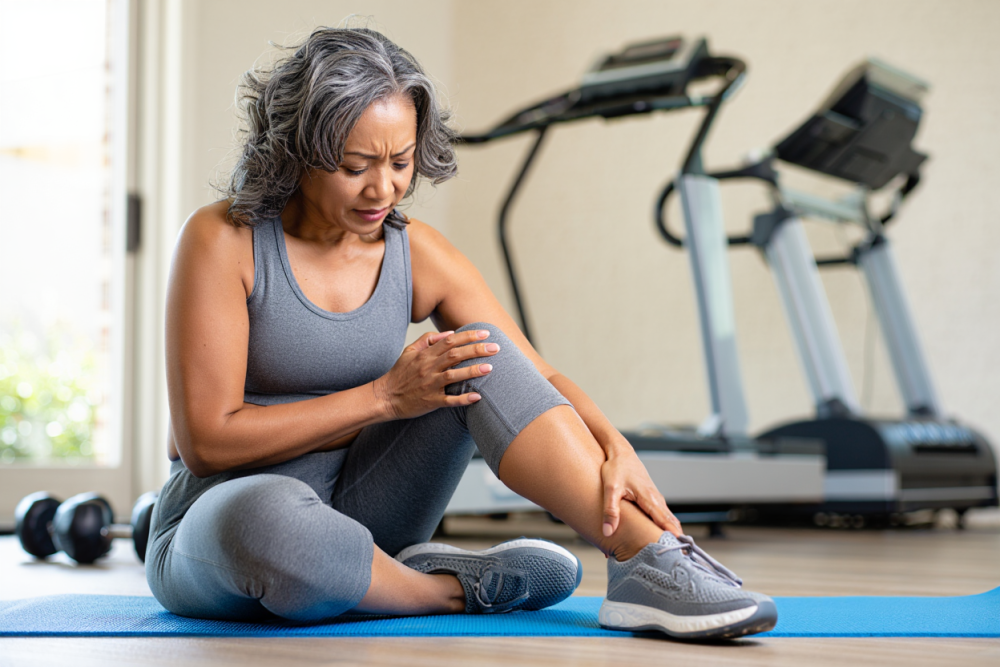
    After many years of dealing with multiple injuries as a result of my athletic, active lifestyle, in addition to utilizing exercise tools such as a knee recovery machine or a stationary bike, I found that massage therapy also helps with my torn meniscus in both the right and left knees.

    Massage therapy is also a great way to show yourself some love while taking care of your well-being. Here are some of the benefits massage therapies offer:

    • Induces a relaxed state of mind, reducing stress
    • Promotes circulation and range of motion
    • Relieves muscle tension, pain, or aches
    • Increases mental alertness while improving one’s mood
    • Energy boosts with better sleep patterns

    According to the American Massage Therapy Association (AMTA), self-massage helps conditions like knee injuries or osteoarthritis (OA) because there is, “…a correlation among quadriceps weakness, increased pain, and altered walking patterns in aging people with OA of the knee. And it appears self-massage of the quadriceps muscles may help improve function and correct dysfunctions.

    Self-massage is the application of various massage strokes to the body’s soft tissue for therapeutic purposes. You might use self-massage to soothe tired hands and feet, for example, or to ease tension headaches.

    Since self-massage research is in its infancy, there is little significant data to support its therapeutic value. Historically, however, self-massage has been employed as an integral part of the treatment and management of chronic medical conditions,”.

    AMTA also noted that, “The current combination of treatments include exercise, physical therapy, weight control, supportive devices, medications and surgery. However, conventional treatments often don’t provide enough symptom relief, and so more and more people are turning to proven alternatives for pain relief, including massage therapy,”.

    *Note: All content within this article is meant for informational purposes only and is in no way a replacement for professional medical or psychological advice or support. Seek immediate and appropriate care from a healthcare professional should you or a trusted loved one deem it necessary.

    Meniscus tear treatment

    After I saw my orthopedic doctor, had x-rays and an MRI, he said that I did not need surgery and could use a round of physical therapy. Additionally, I focus on trying not to twist, pivot, or suddenly stop, and to limit the number of trips up and down the stairs.

    A physical therapy organization suggests, “Manual therapy: Helps reduce pain and stiffness in the knee joint by improving circulation, reducing inflammation, and increasing range of motion. These techniques involve hands-on pressure and movement to manipulate the soft tissues and joints of the knee, promoting healing and reducing pain, and include:

    • Massage – Deep tissue massage, myofascial release, or trigger point therapy can help reduce muscle tension and improve circulation.
    • Joint mobilization – Gentle movements of the joint can improve joint mobility and reduce stiffness.
    • Manipulation – High-velocity, low-amplitude thrust applied to a joint can restore normal joint movement.

    Therapeutic Exercises: Therapeutic exercises are essential to physical therapy for meniscus tears. Strengthening exercises can improve stability and support of the knee joint, reducing strain and promoting healing. Exercises may include leg presses, squats, and resistance band exercises. Flexibility exercises can also reduce stiffness in the knee joint. Your physical therapist may recommend specific exercises based on your needs and goals.

    These techniques can help reduce pain and inflammation, promote circulation, and accelerate the healing process:

    • Heat therapy – Applying heat to the affected area can increase blood flow and reduce muscle spasms.
    • Ice therapy – Applying ice to the affected area can reduce inflammation and pain.
    • Ultrasound therapy – High-frequency sound waves can generate heat and promote healing.
    • Electrical stimulation – Applying electrical currents to the affected area can reduce pain and improve muscle function,”.

    Which reminds me that I can also utilize my TENS unit for pain management.

    Holistic pain management techniques

    If you knew me, you would know that I do not necessarily like to take medication for pain; instead, I typically seek out a more holistic route to pain management techniques. For example, a Transcutaneous Electrical Nerve Stimulation (TENS) unit has been extremely helpful in managing my pain.

    TENS is a non-invasive form of therapy that involves sending small electrical pulses to the painful areas of the body to block the brain’s perception of pain and stimulate the body’s natural endorphins. The electrical pulses are delivered through electrodes placed on the skin for up to thirty minutes per session, with the ability to adjust the intensity of the stimulation, as well as the frequency and duration of the sessions.

    This type of pain management transmits a low-voltage electrical current to interrupt and block nerve signals before they reach the brain, while reducing muscle spasms and increasing blood circulation. It also breaks up lactic acid, stimulates muscle fiber, and re-educates the muscles.

    In addition to employing massage techniques or using tools such as TENS units, I have also explored and found numerous benefits in seeking acupuncture treatments, including both traditional forms and alternative forms of physical therapy with a dry needling professional.

    Dry needling (also known as trigger point dry needling and intramuscular stimulation) – according to Wikipedia, “Is a treatment technique used by various healthcare practitioners, including physical therapists, physicians, and chiropractors.

    Acupuncturists usually maintain that dry needling is adapted from acupuncture, but others consider dry needling as a variation of trigger point injections. It involves the use of either solid filiform needles or hollow-core hypodermic needles for therapy of muscle pain, including pain related to myofascial pain syndrome. Dry needling is mainly used to treat myofascial trigger points, but it is also used to target connective tissue, neural ailments, and muscular ailments,”.

    Furthermore, I try to eat a gut-healthy diet that includes anti-inflammatory foods and drinks like turmeric milk or tart cherry juice as well as heat and cold therapy, soaking in an Epsom salt bath EVERY NIGHT before bed, essential oils, and practicing mind-body techniques such as meditation, specific stretching exercises each morning, and low-impact weight training three times a week.

    Should I massage a torn meniscus

    In conclusion, while massaging a torn meniscus might offer temporary relief, it’s crucial to consult a healthcare professional for proper diagnosis and technique. Relying solely on massage could worsen the injury if one does not seek professional medical advice to ensure a safe and effective recovery.
  • Difference Between Sciatica and Peripheral Neuropathy

    Difference Between Sciatica and Peripheral Neuropathy

    Living with a chronic pain condition such as sciatica problems or peripheral neuropathy can be exhausting and challenging to deal with from a mental health standpoint.

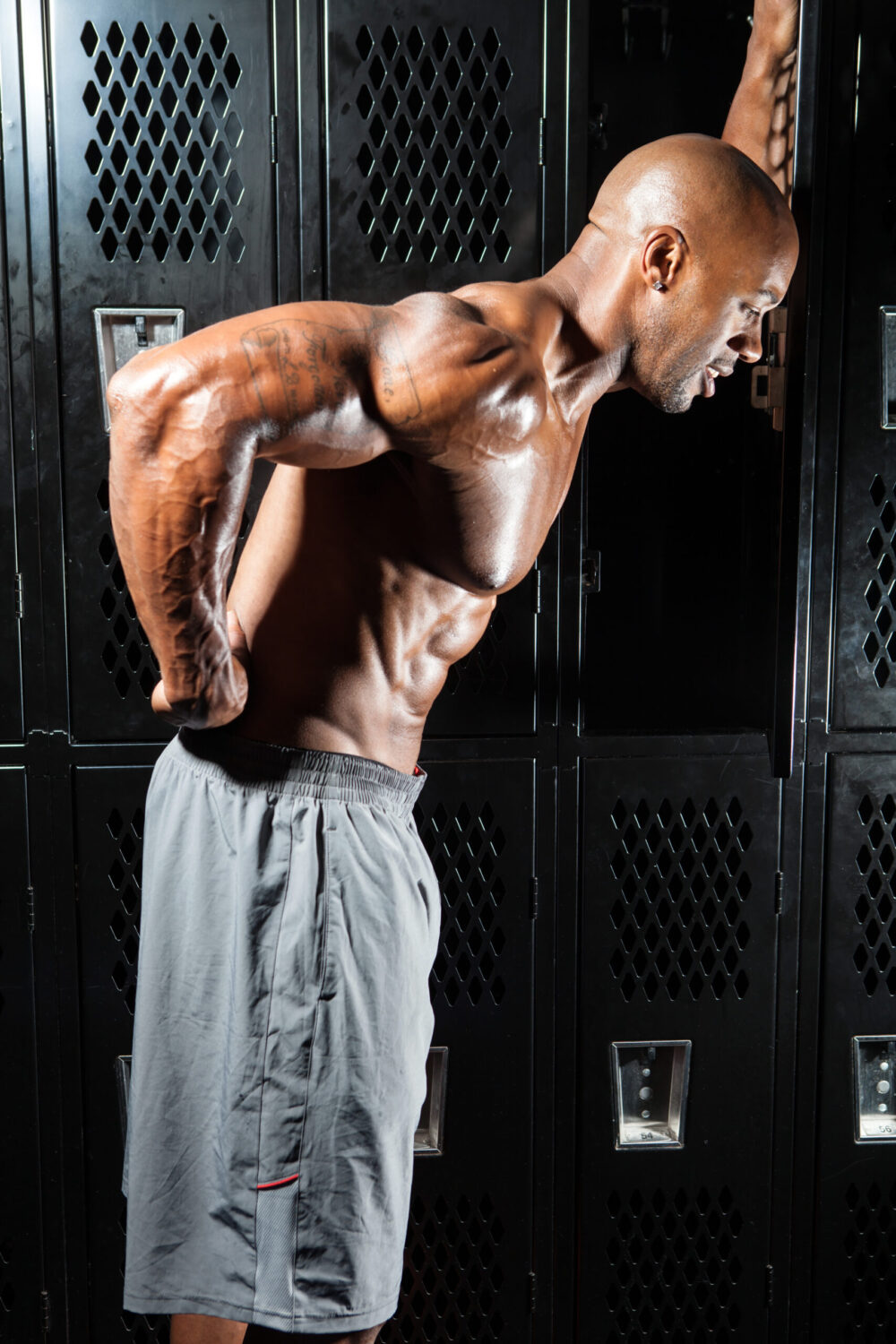
    Sciatica and peripheral neuropathy are two very different conditions that can cause chronic pain in the lower extremities. Sciatica is a form of radiculopathy, which is a disorder of the spinal nerve roots that commonly results in pain and numbness along the sciatic nerve. This pain typically radiates from the lower back and down one or both legs and is usually worse when sitting. In addition, a herniated disc, spinal stenosis, or a degenerative condition in the spine can cause sciatica.

    Peripheral neuropathy, on the other hand, is a disorder of the peripheral nervous system, which is the network of nerves that connects the brain and spinal cord to the rest of the body. Peripheral neuropathy typically presents as pain, numbness, and tingling in the hands and feet.

    When distinguishing between sciatica and peripheral neuropathy, there are a few key differences to be aware of. First, the pain associated with sciatica is usually worse when sitting and can often be relieved by changing positions or standing up.

    On the other hand, the pain associated with peripheral neuropathy is typically more consistent and may be accompanied by sensitivity to touch, such as when wearing socks or shoes. In addition, sciatica is usually felt along the sciatic nerve, which runs from the lower back through the buttocks and down the back of the leg, while neuropathy can affect any nerve in the body.

    Should you find yourself “behind the gun” of your sciatica nerve pain, some of the best ways to treat sciatica pain and prevent sciatica in the future are through:

    • Physical therapy
    • Massage
    • Daily stretching

    *Always remember information within this article is meant for entertainment purposes only and is in no way a replacement for professional medical or psychological support. Seek appropriate advice from a healthcare professional should you feel it necessary.

    Immediate relief for sciatica pain

    Alternating from heat to ice is one therapy that provides immediate relief from sciatic nerve pain. Ice helps reduce inflammation, while heat encourages blood flow to the painful area (which speeds healing). Heat and ice may also help ease painful muscle spasms often accompanying sciatica.

    Massage is also an immediate pain relief solution to provide relief from sciatica pain. Utilizing the power from massage chairs can also provide relief from sciatica. Massage chairs, like a masseuse, use various massage techniques to help reduce inflammation, loosen tight muscles, and improve circulation. The action of massage will reduce stress and, in turn, reduce the severity of sciatica pain. Massage chairs are a great way to get relief without leaving your home, especially if you suffer from chronic pain.

    Stretching and strengthening exercises are also great options to relieve sciatica pain immediately. Stretching can help reduce muscle tension that may contribute to the pain. In contrast, strengthening exercises can help support the lower back and improve stability to help prevent further episodes of pain.

    Sometimes, if the sciatic nerve in the pelvic region (hip) is damaged, it may cause foot pain along the top of your foot with some weakness. Foot massagers can be a great way to alleviate foot pain caused by sciatica. Foot massage helps to improve circulation in the feet and can reduce inflammation, allowing for better healing.

    How can I massage my sciatic nerve at home?

    If you are able and have no one to assist or do not have a massage chair, begin with the following:

    • Wrap your fingers around your sides
    • Using your thumbs, try to apply firm and steady pressure toward the spine on the outer edges of the muscles
    • Keep your thumbs around four inches apart
    • Repeat the technique and apply pressure without causing any discomfort

    Massage chairs offer an effective and convenient way to relieve sciatic nerve pain at home. The chairs use various massage techniques, such as kneading, rolling, and tapping, to help reduce tension and inflammation in the muscles surrounding the sciatic nerve and, in turn, releases pressure on the nerve and reduces the intensity of the pain.

    In addition, massage chairs use heat therapy to help increase circulation and reduce stress. Heat therapy encourages the body to release endorphins, which are natural pain relievers that reduce the severity of sciatica pain.

    Massage chairs also provide targeted relief for specific areas of the body, such as the lower back and buttocks, which is especially beneficial for those who experience pain in these areas due to sciatica.

    Does sciatic neuropathy go away?

    The good news about sciatic pain is that it usually goes away independently with time and some self-care treatments. In addition, the majority of individuals (80-90%) who experience sciatic pain are able to manage their symptoms without the need for surgery. However, that is not always the case. Some people have to deal with this condition on a chronic level, and it is not going away anytime soon.

    With proper care, such as stretching and strengthening exercises, massage therapy, heat or cold therapy, and over-the-counter pain relief medications, many people are able to find relief from their sciatica within a reasonable amount of time. In addition, engaging in regular physical activity, avoiding sitting for long periods, and maintaining a healthy weight can help reduce the risk of future episodes of sciatica.

    Difference between sciatica and peripheral neuropathy

    While the pain and sensations associated with both conditions can be very similar, it’s essential to be aware of the differences and seek medical attention if you’re experiencing any of these symptoms. An accurate diagnosis is critical to finding the most effective treatment plan to relieve pain and other symptoms.

    Overall, massage chairs can provide an effective and convenient way to relieve sciatic nerve pain at home, using a variety of techniques to help reduce tension, inflammation, and stress while also providing targeted relief for specific areas of the body.

    *Always remember information within this article is meant for entertainment purposes only and is in no way a replacement for professional medical or psychological support. Seek appropriate advice from a healthcare professional should you feel it necessary.

  • How is Epsom Salt Used?

    How is Epsom Salt Used?

    Epsom salt is a magnesium sulfate compound. It has been used for hundreds of years as a healing agent and a pain reliever.

    Epsom salt is used by many people who exercise regularly. It helps reduce soreness and cramping that may occur after strenuous workouts. Also is extremely helpful to those who are recovering from injuries – whether the injury be a result of exercise or not.

    A lot of athletes utilize an Epsom salt bath after a workout, a deep tissue massage or when their muscles are sore or injured. Using Epsom salt after a massage is an excellent way to help relax the muscles and reduce any uncomfortable soreness that may occur.

    As mentioned, Epsom salt is a naturally occurring mineral compound of magnesium and sulfate. The magnesium in Epsom salt assists in relaxing your muscles while the sulfates help to draw toxins out of your body. All the toxins you can remove from your body, the better – this is because these toxins actually waste away your muscles while they are in the area where they accumulate.

    It is important to remember that after using Epsom salt, you should drink plenty of water (at least 2 liters) afterward in order to flush out your system – otherwise it may cause serious illness. It is also important to remember that you should never use Epsom salt with Iodine – the combination of the two can cause harmful effects on your skin and body.

    It is common knowledge that after a massage, it is beneficial and relaxing to soak in a tub of hot water. Using Epsom salt in this water will not only help to relax your muscles, but it will also cleanse your system out by flushing out toxins. It is important to remember that you should not use Epsom salt in any other water besides the water that is used for bathing; it can damage many different types of materials and surfaces.

    What are the benefits of soaking in Epsom salt?

    1. Relaxes the muscles, relieves stress and helps with muscle fatigue and body aches
    2. Helps regulate blood pressure (mixed with water)
    3. Can help make constipation less frequent (mixed with water)
    4. Acts as a sleep aid (by adding to bathwater; effects wear off after 30 min.)
    5. Good for the kidneys, liver, brain and nervous system
    6. Can help eliminate mucus from the lungs in some cases (inhalation)
    7. Provides relief to those with psoriasis or dermatitis when applied topically
    8. Makes skin smooth and soft
    9. Magnesium sulfate also has a laxative effect because it increases the amount of water in your intestine. It also stimulates the colon’s muscle cells, which encourages bowel movement (Dunkley, 2011).

    There are many benefits in using Epsom salt, the most prominent of which is its physical and chemical properties.

    One of the significant benefits of using Epsom salt is that it dissolves easily in water without affecting the pH balance or mineral contents of water. In addition, the resulting solution is dissociated into anions (negative ions) and cations (positive ions), both of which are incredibly beneficial to the body.

    Epsom salt contains magnesium and sulfate ions which can help relax stressed muscles and is also responsible for improving blood flow to the muscles. In addition, magnesium helps physiologically by activating vitamin D, a vital hormone responsible for bone and muscle growth and development. Apart from this, it also calms nerves and reduces depression.

    Epsom salt is one of the most cost-effective means for treating various health problems because it is cheap and readily available. Furthermore, the effects can be felt after a single-use, unlike many other physiologically conservative methods such as physiotherapy or medication, which may take days to improve the patient’s condition. In addition, it helps in soothing pain without the use of drugs.

    Epsom salt is also used as an additive in bath water to help cure certain skin diseases such as dermatitis, eczema, and psoriasis by easing itching. It can also be used on eyelids to reduce puffiness around the eyes.

    Even though using Epsom salt requires more time than other methods used to treat certain conditions, it is considered beneficial because the salts are absorbed slowly into the skin, allowing them to reach deeper layers of tissue.

    Aside from its medical uses, Epsom salt is also used in cooking for various purposes. For example, it can be mixed with fruit juice or other drinks and added to cakes and cookies to make them moist. It is also used as a thickening agent in salad dressings and soups.

    The salts can also be dissolved in water and sprayed on plants to kill specific insects which might attack the plant, such as aphids and spider mites.

    Why Epsom salt is bad?

    According to the renowned Cleveland Clinic In Ohio, Epsom salt is bad for people with severe skin inflammation or infection. No one with an open wound or a severe burn should use Epsom salt. They suggest if you have an open wound, consult your dermatologist before use.

    While Epsom salt is generally safe, a few adverse effects can occur if you use it incorrectly. For example, consuming it may result in diarrhea, bloating, or upset stomach.

    The presence of magnesium sulfate in the body can increase the risk of adverse reactions, such as dehydration or low blood pressure. Therefore, people with kidney disease should avoid using Epsom salt as a dietary supplement and should not use it as a bath soak, even though the salt is generally considered safe (Lundgren et al., 2006).

    People have been bathing with Epsom salts for hundreds of years, but there is inconclusive scientific evidence as to whether or not it provides any health benefits. Always consult a physician or trusted health care provider.

    This article is for information only.

  • What All Nurses Should Have

    What All Nurses Should Have

    As a nurse, it is essential to have personal items to take good care of yourself. It has been said that nurses are like military personnel; not only do they work under pressure, but they also undergo physical stress (mishaps and injuries) on duty. We could also quite possibly, compare the physical side of this job to that of an athlete. That is, a lot of them keep “playing” even when they are injured.

    Bring these items with you whenever you head out onto the field:

    • Lotion

    You will most likely be in a dirty environment that is filled with germs and dirt. You can prevent your skin from getting dry by bringing a lotion bottle. It is also best to bring an unscented lotion since scented lotions can cause allergies, especially when dealing with patients with sensitive skin.

    • Foot massager

    Heel pain is common in nurses since they spend much time on their feet. You can use a foot massager to relieve the tension in your feet and lessen any chances of developing heel pain. A reputable massage equipment company will offer quality and reliable products.  Also, bring an ice pack along; it will be needed for sore muscles.

    • Quality, long-lasting, coffee mug with lid

    Coffee keeps you going during your shift, but if you drink from a paper cup, it can leave stains on your uniform and make the coffee taste bad. Bring a quality coffee mug with a lid to keep your clothes from getting dirty or stained and, most importantly, to keep your coffee hot or cold (whatever way you like it!).

    • Compression socks

    For added protection, bring a pair of compression socks with you. You can try these out before using them during duty hours, so you can determine if they are comfortable or not. This also prevents any possible injury that may occur due to wearing the wrong socks.

    • Stress ball or worry stone

    Easily carried stress balls are helpful for nurses who need to relieve some stress. They can be used at work or even at home, wherever you feel stressed. Worry stones, on the other hand, are smooth rocks that have soothing properties. Rubbing the smooth surface gives a calming effect for those who worry too much, and it can even help you fall asleep. It’s a must-have if you feel anxious about work or family life.

    • Tissues and hand sanitizer (for easy access)

    You need these items at all times to prevent bacteria from spreading to patients and yourself. You can get these items in small travel packs.

    • Healthy snacks

    You don’t want to get caught out during your shift without snacks, especially if you feel weak or tired due to a lack of food. Choose foods that can give you lots of energy, but make sure they are healthy—you don’t want too much sugar! Foods like peanut butter and crackers, cereal bar, or trail mix are all great choices.

    What do nurses need most right now?

    During the COVID-19 pandemic, all nurses need more:

    1. Surgical masks
    2. N95 respirators
    3. Face/eye shields
    4. Gloves
    5. Cleaning supplies
    6. Hand sanitizers
    7. Viral testing swabs

    How do you thank a staff nurse?

    The best way to say thank you to a nurse or healthcare professional is to remember them!

    Nurses are some of the hardest working people in society; without their tireless work, many patients would not be able to receive treatment. One nurse said that there are certain things that he wished all people knew about being a nurse. Here are his thoughts on how you can thank a nurse and what they wish you knew:

    Nurses should never get taken for granted. This is probably true for any profession, but I think nurses get the short end of the stick sometimes because we typically don’t take up as much space or draw attention to ourselves like doctors do (most of the time). So make sure to always say hello and ask how we’re doing (and actually listen when we reply, don’t just pretend like you care and walk away).

    Another thing, every time I get into a patient’s room and introduce myself, I always hear some variation of the following: “what kind of doctor are you?” or “are you a nurse practitioner/physician assistant?” The answer is no. I am not any of those. We’re nurses. Please just call us by our name. Unless we go out of our way to tell you otherwise, assume we are nurses. Our degrees can be from less competitive programs, so it may take us longer to advance in our field, but that doesn’t make us any worse at what we do for your loved one here in the hospital with you today.

    When someone needs help, nursing students step up to the plate and give whatever resource they can to ensure the patient gets their care (and at great cost financially and emotionally for themselves). The nurse should be thanked for showing up every single day. We don’t get to pick our shifts, we take what is given to us. I’ve even had my name put on a cancellation list because someone else didn’t want the shift that was assigned (never mind that I was in school full time at the time so I couldn’t just drop everything for them if they called me in last minute or needed help with something outside of my scheduled hours). I’ve also worked in the ER where sometimes our days are booked solid from 6 am-6 pm without a break unless you count your meal breaks, which are at best 30 minutes long.

    It’s easy to forget that in addition to taking care of your loved one the nurse has other patients and families relying on them. We don’t get paid any extra when we have more than our fair share of work, there are just less nurses working in the hospital every day so it falls on us to do more work without being able to go home until all our tasks are completed for the day.

    The last thing that I want people to know about this profession is that no matter how long or short a shift might be, I always try my best, even if I’m not feeling well, or am extremely busy with other tasks, etc. Nurses will come up with creative ways to make sure you get your medications on time or help you to the restroom and do it safely without hurting yourself in the process. It’s actually pretty amazing but we don’t get enough credit for all that we do. I just want people to know that when you see a nurse, whether it be your nurse or someone else’s, thank them for their work. It makes our day go just a little bit smoother.”

    What every nurse should have in their bag

    1. Stethoscope
    2. Books
    3. Scissors and Micropore Medical Tape
    4. Lotion and Hand Sanitizer
    5. Six saline flushes
    6. Retractable pens
    7. Sanitary items – gauze, sterilized mask and gloves, cotton balls
    8. OTC pharmacy items (cold medicines, ibuprofen, and other emergency meds)
    9. Small notebook – for taking notes from doctors and observations of your patients.
    10. Thermometer
    11. Tongue depressor
    12. Tourniquet
    13. BP apparatus
    14. Watch with seconds hand

  • How to Determine if Its Muscle or Bone Pain

    How to Determine if Its Muscle or Bone Pain

    For many people, it is sometimes difficult to distinguish between bone and muscle pain as they usually affect similar areas of the body and have similar degrees of intensity. In general, pain in bones will feel sharper, deeper, and more debilitating than muscle pain.

    Initially, the best suggested course of action would be to schedule an appointment with a health care professional first before determining what type of “pain” you are experiencing and thus deciding on what therapy will best suit the needs of the injury.  

    The health care pros that might choose to go through a “Movement Science” program are prepared for the work as well as the many challenges facing patients with chronic pain in either the muscles, bones or nerves. Academic preparation in this field provides a foundation for a wide range of careers in fields including, but not limited to, exercise physiologists, personal trainers, fitness managers, worksite wellness coordinators, physical therapists, physical therapist assistants, athletic trainers, and group exercise instructors. A good program will meet the needs of both students seeking career training programs leading to an industry-accepted credentials/certificates (for physical therapy assistants) and those seeking to transfer to a four-year institution (for physical therapy or orthopedics).

    The American Academy of Orthopedic Surgeons reports findings that the most common causes of fractures are: 

    Osteoporosis is a “porous bones” disease that is more common in older adults, with causes that include hyperthyroidism, menopause, cancer treatment with anticancer drugs or radiation, and a family history of osteoporosis. However, it is not necessarily painful unless and until a collapsed vertebra or a fracture occurs.

    Most do not show symptoms, so watch out for early signs of:

    • Severe pain in the back
    • Height loss
    • Hunched or stooped posture
    • Bone injury caused by bruising or minor falls

    Trauma that results from a motor vehicle accident, a sports injury, or a hard fall.

    Bone stress also termed a stress fracture is caused by over usage of a muscle.

    Symptoms of fractures:

    • Intense sharp pain at site of injury
    • Inability to move injured area
    • Bruised
    • Deformity 

    Difference between bone pain and nerve pain

    There is not a direct test that will be able to tell what the difference is between muscle, skeletal, or nerve pain. Health pros such as physical therapists have ways to decipher the difference during an assigned exercise or activity.  

    Nerve – burning or stinging sensation that could be isolated or spread to other parts of the body during activity and is usually accompanied by a loss of strength, coordination, or sensation.

    Skeletal – pain usually occurs while doing weight bearing activities, sudden movements, or sustained inactivity and can be sharp, dull, pressure, or throbbing. If it is a fracture, pain is typically sharp, while it may be dull and achy should it be a bruise on the bone.  Pain could be caused by disorders of bones, joints, muscles, tendons, ligaments, bursae, or a combination.

    Muscle – sharp, tear or pulling sensation which occurs throughout the range of motion or during the transition from inactivity to activity. Muscle trauma usually results in impaired function, weakness, instability, or loss of coordination.

    Muscle injuries are most common in athletes or those involved in high demand sporting activities. However, they could happen as a direct result from a fall, or an external force such as a tackle or a vehicle accident. 

    Muscle injury symptoms:

    1. Stinging pain that may become duller over time
    2. Soreness
    3. Swelling or inflammation
    4. Redness
    5. Impaired movement at site of injury

    Muscle injuries are usually determined by physical exam and may require imaging tests such as an ultrasound or an MRI. Treatment involves cold or heat therapy, physical therapy, exercise, and light stretches (if tolerable), as well as over-the-counter pain relievers and plenty of rest.

    Fibromyalgia is a type of muscle pain that causes widespread intense pain across the body, affecting sleep habits, which could and does cause mental as well as emotional distress.

    Tendon and ligament pain is often less intense than bone pain and is worse when the affected tendon or ligament is stretched or moved, usually relieved by rest. 

    Bursae pain can be caused by trauma, overuse, gout, or infection. Bursae are small fluid-filled sacs that provide a protective cushion around joints. Usually, pain is worse with movement involving the bursa and is relieved by rest. 

    Joint pain (called arthralgia) may or may not be related to joint inflammation (called arthritis). Arthritis may cause swelling as well as pain. A wide variety of disorders can cause arthritis, including inflammatory arthritis (such as rheumatoid arthritis), osteoarthritis, infectious arthritis, gout and related disorders, autoimmune disorders and vasculitis disorders, osteonecrosis , and injuries affecting the part of a bone inside a joint. 

    Arthritic pain can be new (acute, for example, when caused by infections, injuries, or gout), or longstanding (chronic, for example, when caused by rheumatoid arthritis or osteoarthritis). Pain resulting from arthritis is typically worse when the joint is moved but usually is present even when the joint is not being moved. Sometimes pain originating in structures near the joint, such as ligaments, tendons, and bursae, seems to be coming from the joint.

    Some musculoskeletal disorders cause pain by compressing nerves. These conditions include the tunnel syndromes (for example, carpal tunnel syndrome, cubital tunnel syndrome, and tarsal tunnel syndrome). The pain tends to radiate along the path supplied by the nerve and may be burning. It is usually accompanied by tingling, numbness, or both.

    Sometimes, pain that seems to be musculoskeletal is caused by a disorder in another organ system. For example, shoulder pain may be caused by a disorder affecting the lungs, spleen, or gallbladder. Back pain may be caused by a kidney stone, abdominal aortic aneurysm, inflammation of the pancreas, or, in women, pelvic disorders. Arm pain may be caused by a heart attack (myocardial infarction).

    Again, please remember to always consult a physician or health care provider before determining your source of pain or course of action.

  • Lymphedema Products

    Lymphedema Products

    Lymphedema treatments include:

    1. Exercises 

    Light exercises that move the affected limb may encourage fluid drainage and help prepare the body for everyday tasks. The exercises should not be strenuous or tiresome but should focus on gentle contraction of the muscles.

    • Wrapping the affected limb

    When the entire limb is bandaged, it encourages lymph fluid to flow back toward the trunk of the body. Bandages should be tightest around fingers or toes and loosen as it moves up the arm or leg.

    • Massage

    A special massage technique called manual lymph drainage may encourage the flow of lymph fluid out of your arm or leg. Additional various massage treatments such as massage guns or massage chairs may be helpful as well. Make sure to contact a physician before deciding on which techniques work best.

    • Pneumatic compression 

    Includes a sleeve that is worn over affected arm or leg that will connect to a pump that sporadically inflate the sleeve, putting pressure on the limb to move lymph fluid away from fingers or toes.

    • Compression garments

    Long sleeves or socks made to compress the arm or leg to encourage the flow of lymph fluid out of affected area. 

    • Complete Decongestive Therapy (CDT)

    This approach involves combining therapies with lifestyle changes. CDT is not usually recommended for people who have high blood pressure, diabetes, paralysis, heart failure, blood clots or acute infections. Check with a physician.

    Is massage good for lymphedema?

    Massage treatment can benefit a patient with lymphedema. Although, deep tissue massage could potentially be too heavy for someone with lymphedema.  There are certified lymphedema therapists (CLT) and, some physical or massage therapists have had oncology and pathology training.

    Lymphedema refers to an accumulation of lymphatic fluid within one area, also known as swelling.  Gentle massage encourages movement of lymph fluids throughout the body in a specialized lymphedema massage.

    One solution may also be to look into massage chairs as an alternative therapy that could save time and money over the long haul.  A good massage chair should be designed to provide some measure of pain relief and relaxation without the need for person-to-person interaction and, some have the option of controlling the intensity. Some people would agree that opting to go with a massage chair as a potential means to ease their chronic pain allows the user to get a massage in the privacy of their home, on their time, and on their own schedule.   

    Massage therapy increases endorphin levels – conceivably the most valuable aspect of massage. Endorphins are the ‘feel good’ chemicals that run through the body, increasing their levels, inducing positive results. Among other benefits, increasing endorphin levels has been associated with swifter recovery, reduced pain and reduced anxiety. 

    While more research is needed to confirm the benefits of massage, studies have found massage may also be helpful to:

    1.         Lessen depression and anxiety

    2.         Enhance immunity by stimulating lymph flow

    3.         Improve the condition of the body’s largest organ—the skin

    4.         Increase joint flexibility

    5.         Pump oxygen and nutrients into tissues and vital organs, improving circulation

    6.         Paresthesia and nerve pain

    7.         Reduce spasms and cramping

    8.         Release endorphins—amino acids that work as the body’s natural painkiller

    9.         Arthritis

    10.       Relieve migraine pain 

    Why does massage help lymphedema?

    Lymphatic drainage is a specialized, gentle type of medical massage. It may be used as part of your lymphoedema treatment. The aim is to encourage the lymph fluid to move away from the swollen area, so it can drain normally. It also helps lymph fluid drain through the healthy lymph vessels.

    The fluid in the lymphatic system helps remove waste and toxins from bodily tissues. Some health conditions can cause lymph fluid to build up. Lymphatic drainage massages can benefit people with lymphedema, fibromyalgia, and other conditions.

    People can develop lymphedema as a result of infections, cancer treatments that involve the removal of lymph nodes, and any condition that damages the lymphatic system.

    Lymphatic massage can reduce swelling and improve circulation throughout the lymphatic system. Lymphatic massage usually forms part of a treatment program called decongestive lymphatic therapy (DLT).

    Lymphatic drainage massage can benefit people who are experiencing the following:

    1. Lymphedema
    2. Fibromyalgia
    3. Swelling or edema
    4. Skin disorders
    5. Fatigue
    6. Insomnia
    7. Stress
    8. Digestive problems
    9. Arthritis
    10. Migraine episodes

    Negative Effects of Massage Therapy on Lymphedema

    If massage therapy is applied to lymphedematous tissues, an increase in swelling may result. Massage causes an increase in arterial blood flow where applied, resulting in more water accumulating in those spaces. Due to mechanical insufficiency inherent in lymphedema, the lymphatic system will not be able to manage the additional water load. 

    Research shows that, depending on the severity of symptoms, some sufferers may initially experience some pain from the massage. However, it is essential to note that healing is a process; massage therapy will produce the sought-after long-term positive results with some patience. Steadily increased pressure over time is an ideal protocol. Premium massage chairs for home use would provide the ease and frequency of access as well as pressure control, which would be a perfect option for many who suffer.  

    Talk to a healthcare provider first before considering massage for lymphedema; ask about the number of treatments that might be needed, the cost and type, and the insurance coverage if any.  Despite its benefits, massage is not meant to replace regular medical care, and be sure to follow any standard treatment plans already in place.