Category: Knee

  • What are the Signs of a Worsening Meniscus Tear?

    What are the Signs of a Worsening Meniscus Tear?

    A little over a year ago, after reviewing the results of the MRI (Magnetic Resonance Imaging) on both knees, my orthopedic doctor said I did not need knee surgery – just therapy and that I “have many more miles on the knees.”

    Well, as far as I am concerned, the quality of those miles stinks because I cannot even take my dogs for a short walk by the lake across the street from my house without my knees hurting or swelling up.

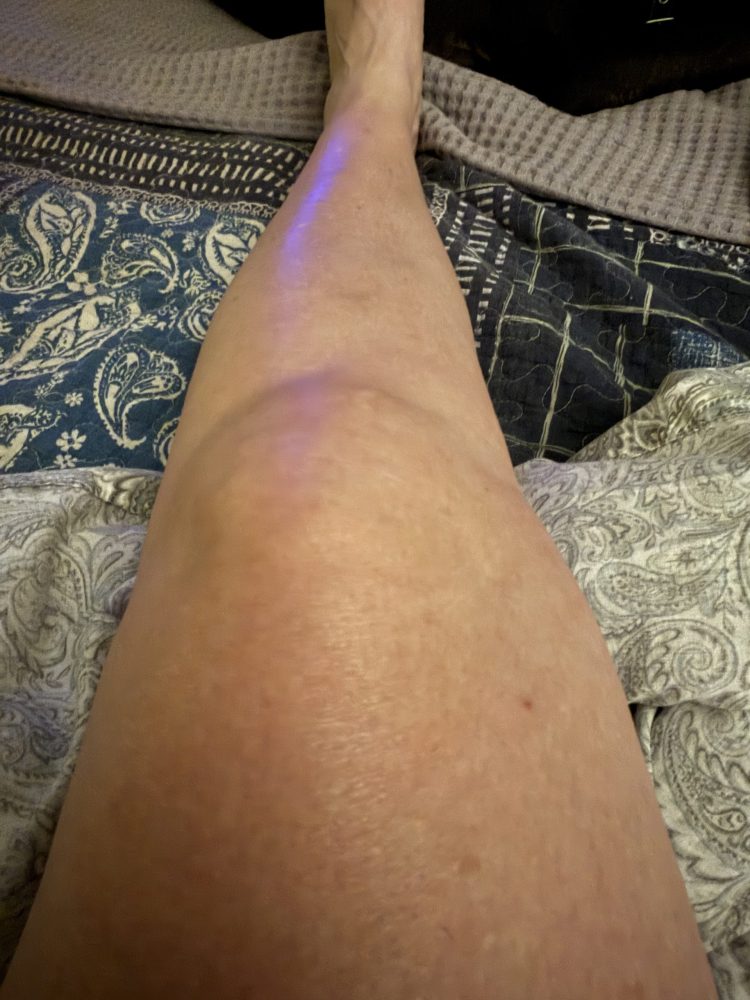
    Most recently, after a few hours of light yard work, my left knee swelled up, was very painful, was difficult to even walk around my house, and I lost full range of motion of that knee.

    I did what is typically recommended by healthcare professionals: rest, ice, compression, elevation. heat, took acetaminophen and muscle relaxers (I cannot stomach NSAIDs/anti-inflammatory medication), and even soaked in my Epsom salt baths for extra time each night.

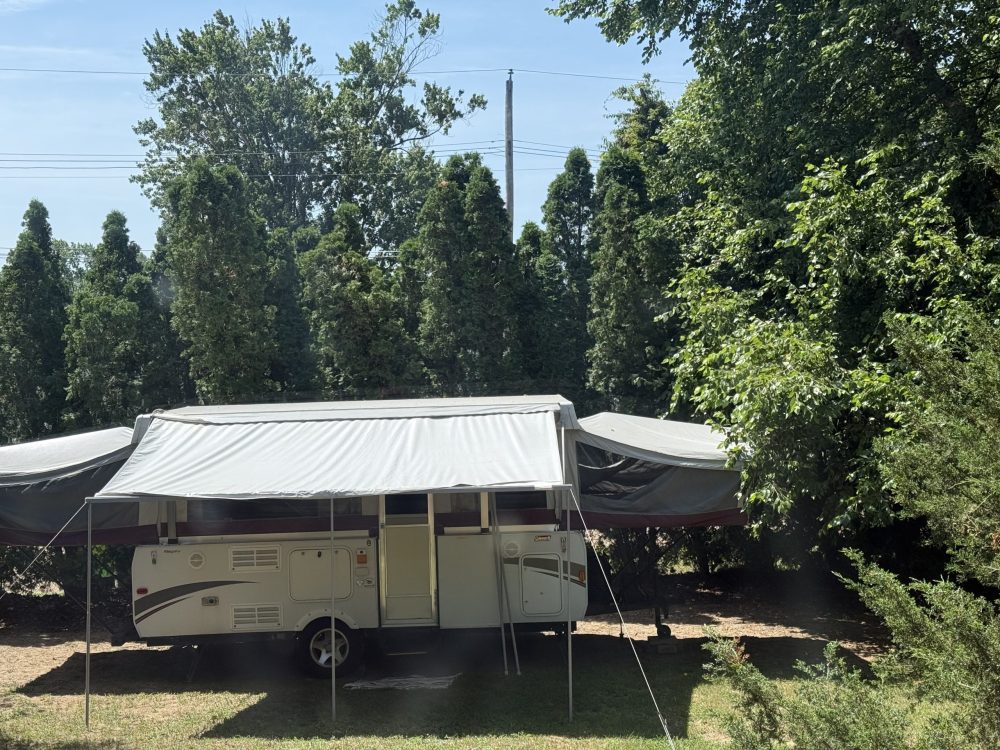
    That seemed to help, and the swelling went down with the range of motion returning as well. That is, until a few weeks later, I was preparing for a camping trip with some of my favorite girlfriends, and did the following tasks:

    • Loading up my camper with supplies
    • Hooking up the camper to my vehicle
    • Driving three hours to Lake Michigan on the west side of Pure Michigan
    • Unhooking the camper
    • Setting up the popup camper
    • Setting up our campsite
    • Unloading coolers
    • Making dinner
    • Setting up the dogs on longlines
    • Walking the dogs around the campground

    Granted, it was a lot of work, but I had an ice pack on my knee the whole drive out to Holland State Park, wore a knee brace, and tried to rest in between tasks. My friends were a huge help as well and did not let me do too much (one is a nurse), yet I am still hurting a week later with limited range of motion. I have a strong feeling that the meniscus tear is getting worse, at least in the left knee.

    According to London Cartilage Clinic, they suggest the warning signs of a worsening meniscus tear are, “Meniscus tears are among the most common knee injuries and can affect people of all ages — especially those who are active in sports or experience gradual wear and tear. These injuries might happen suddenly or develop slowly over time, and if left untreated, they can worsen, leading to more serious knee problems.

    Persistent or increasing pain — whether during activity or even while resting — is often a sign that the injury is progressing, particularly in cases of progressive knee pain meniscus issues. Swelling and stiffness that come and go, or gradually worsen, also suggest ongoing inflammation or damage. One key symptom to watch out for is a feeling of your knee locking, catching, or giving way — sometimes called knee locking torn meniscus. This can seriously limit your movement and day-to-day activities. Additionally, any noticeable reduction in how far you can bend or straighten your knee, or visible changes in the knee’s shape, should not be ignored,”.

    *Note: All content within this article is meant for informational purposes only and is in no way a replacement for professional medical or psychological advice or support. Seek immediate and appropriate care from a healthcare professional should you or a trusted loved one deem it necessary.

    How long to wear knee brace for torn meniscus

    Although I have bought two wrap-around knee braces, one for each knee, I always seem to forget to use them. That is until I have pain after doing work that requires a lot of movement, walking up and down stairs, or lifting. However, at that point, I am behind the gun, so to speak, and have to play catch-up to address swelling when I should have been proactive and worn the brace in the first place. Ugg!

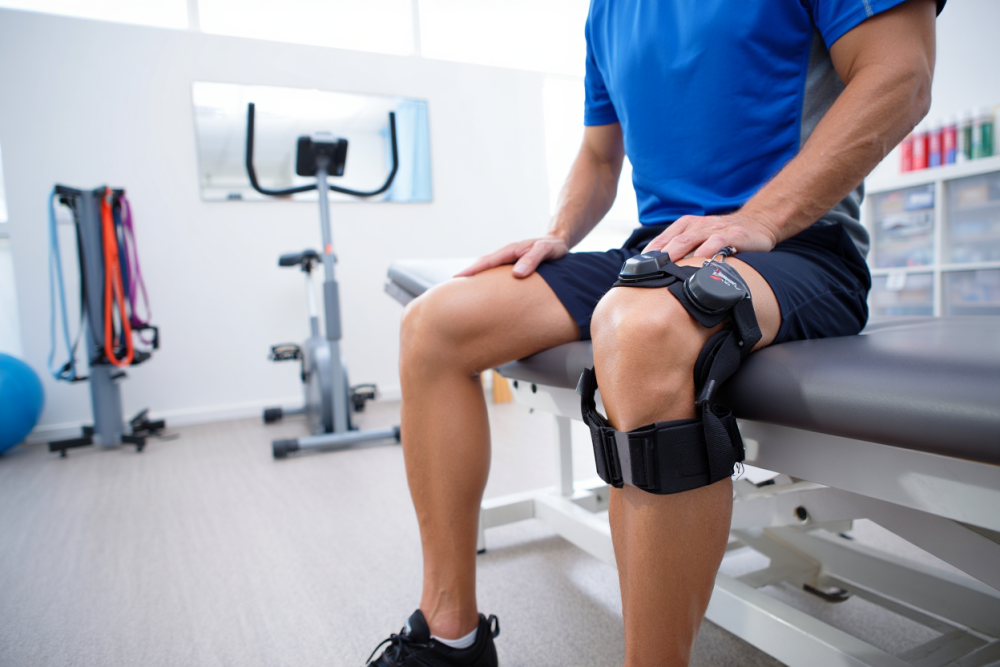
    Based on the type of knee injury I have, the experts at  Exakt Health suggest that, “A hinged knee brace provides a high level of support to control instability at the front and sides of your knee.

    If your meniscus is torn on both sides, this brace may offer the best support. It is also the brace of choice for ligament injuries, like your ACL, medial collateral ligament (MCL), lateral collateral ligament (LCL) and posterior cruciate ligament (PCL).

    Hinged braces can be soft or rigid and usually provide some form of compression. The severity of your injury will determine if you need a soft or rigid one. Compression helps decrease swelling, which reduces pain and promotes healing within the knee.

    These braces prevent side to side knee movement and limit the bending and straightening of your knee to within a given range. Limits to ranges of movement are usually determined by a healthcare professional who knows the extent and type of your meniscus injury,”.

    Okay, okay, I hear you loud and clear – I literally just iced my knee for twenty minutes and currently have the knee brace on. Based on what I learned, I will continue to do so for the next four to six weeks and then reassess at a later date.

    How do you know if a meniscus tear is healing?

    For most of my life, I have been an athlete, have historically had a high metabolism, eat healthily, and usually have an athletic body type. Since being on the injured list for the last couple of years, in menopause and dealing with sleep apnea, I have put on extra weight that I am not used to carrying.

    Two years ago, I started an easy-does-it type of weight training, focusing mostly on my upper body and core because of my knee injuries. However, the recent meniscus tear flare-ups have inhibited me from even doing that. Maybe if I can continue icing and using the knee braces, I can get back in the gym to do a whole-body workout, including cardio, to help shed those unwanted pounds.

    Liquid Cartilage says that, “One of the first signs your meniscus is healing is that pain starts to ease. Initially, pain might be sharp or persistent when you move or put weight on your knee. But as healing progresses, you should notice the pain becoming less intense and less frequent.

    Swelling is another key sign to watch out for.

    Flexibility and range of movement offer valuable clues too. As you heal, these movements should become smoother and less uncomfortable.

    Improved ability to perform everyday tasks — like walking, climbing stairs, or light exercise — also signals healing. Paying attention to these functional gains is helpful when monitoring your recovery at home,”.

    What are the signs of a worsening meniscus tear?

    In conclusion, when knee pain, swelling, stiffness, or limited motion keep returning, it is worth listening to your body and checking in with a trusted healthcare professional.

  • Health Benefits of Mowing the Lawn

    Health Benefits of Mowing the Lawn

    There are many benefits of mowing the lawn that we will definitely discuss, but for now, mowing the lawn is not necessarily beneficial for my knee health. Currently, I have torn meniscus tears in both my left and right knees.

    Until the tears are repaired either through knee surgery and the use of knee recovery machines or through healing by exploring the benefits of peptide treatments, pushing a lawnmower is out of the question – for now.

    Because of my situation, I bought a riding lawn mower yesterday! For the first time in my life, I will be cutting my own grass. I grew up in a townhome where my mom and I lived for seventeen years, and it had a lawn service, which was a positive benefit, but I did not have a lawn of my own.

    From there, we moved to a flat in downtown Plymouth. We lived in the lower flat, and the guy in the upper flat enjoyed cutting the grass, so I did not have to cut it. Then I married a landscaper, and, of course, he cut the grass.

    When our oldest son was ten years old, he wanted to cut the grass. He has been cutting the grass ever since, and he loves it! However, now that he is twenty-one years old, he has a full-time job and does not have time to mow the lawn anymore, which is why I bought the riding mower.

    According to Psychology Today, “Mowing the grass has mind-body health benefits. There’s something meditative about pushing a mower back and forth across that patch of green. Plus, it’s a practical way to work in a workout while burning some serious calories.

    Back and forth and back again. Focusing on the repetitive movement of mowing helps you slip into a calmer state of mind. Meanwhile, the green surroundings help restore attention and promote a sense of well-being,”.

    Benefits of mowing the lawn, from the perspective of a health workout company (ABC Fitness Connection), “The next time you need extra motivation to mow the lawn, remember this: mowing and trimming your grass can also help you trim your waistline. Pushing your lawn mower acts as an efficient form of cardiovascular exercise, and even comes recommended by the Franklin Institute as a way to work your entire body and improve your heart health. The calorie-burning or metabolism-boosting effects of mowing your lawn vary, depending on your body weight as well as the kind of lawn mower you’re using,”.

    Okay, with a riding mower, I won’t be able to benefit exercise-wise, but I will be able to enjoy the meditative experience. Furthermore, I will get fresh air, more opportunities to talk to my neighbors, and appreciate the social interaction, as well as the much-needed sunshine therapy.

    Riding lawn mower vs push mower

    Besides my knees needing a break, one of the main reasons I decided to purchase a riding lawn mower was that it can be used as a leaf sucker in the fall with a special attachment. I have many trees on my property, which is almost an acre in size – another reason a riding mower is better for my usage.

    Since my sons were little, they helped their dad with leaf cleanups in the fall and spring. After the divorce, I would ask them to continue doing the leaf cleanups for their “old mama” (ha, ha). Unfortunately, they have severe allergies and asthma, which are exacerbated by the leaves, especially in the fall. Instead of spending hundreds of dollars on hiring a company, I bought a riding lawn mower.

    Another benefit of a riding mower over a push mower is that I can attach a plow for winter snow removal. However, I have a rock driveway, so it’s a little tricky. Since my ex-husband is in landscaping, in the winter, he performs snow removal and ice management.

    When we were married, after a long night of snow maintenance work, he would back-blade our rock driveway with the plow adjusted so that it wouldn’t be at ground level, in an attempt not to remove or shift the rocks around.

    How to clear snow off a gravel driveway?

    After many years, it was inevitable, and we lost a lot of rocks when the snow melted and slid downhill; hence, we redid the driveway a few years ago. The driveway is a half-circle that heads uphill at its entrance and slopes downhill at its exit, surrounding a beautiful, large oak tree in the middle.

    Bray Topsoil and Gravel suggests that it is possible to clear off a gravel driveway: “Snow and ice can create a number of issues in gravel driveways, such as ruts, potholes, and washouts as the snow melts. And inevitably, gravel will move regardless of whether you remove snow from the driveway.

    Fear not! With a little adjusting to how you remove snow, your gravel driveway will fare just as well as an asphalt driveway would. Here are our top tips for removing snow from your gravel driveway.

    1. Rock salt and melting materials work best. Preparation is always best if you can swing it. Check your snow/ice melt instructions, but many work best if you put them down ahead of a storm blowing into town.

    2. Try a shovel first. The first thing to address should be the top layer of snow. Clear it just like you would an asphalt sidewalk by using a snow shovel. However, once you get to the bottom layers where the snow and ice mix with the gravel, switch out your tools. Then it’s time to…

    3. Use a garden rake. Got snow that’s heavy and wet? A garden rake is surprisingly effective at removing dense snow. It’s also perfect for getting into the bottom layers of snow while keeping the gravel somewhat in place.

    4. Got a snowplow? You can still use it. If you have a snowplow, prepare to rake or shovel the gravel back into place after the storm has passed.

    5. Blow that snow away,”.

    Huh, I never thought about using a rake – what a good idea!

    Health benefits of mowing the lawn

    In conclusion, whether you ride or push a mower, tending your lawn delivers real physical and mental rewards — and a little fresh air never hurt anyone’s outlook.

  • Knee Replacement Recovery Devices

    Knee Replacement Recovery Devices

    As a lifelong athlete and person who enjoys leading an active lifestyle, the fact that I have two torn meniscuses, one in my right knee and the other in my left knee, is not only debilitating but also discouraging because it has severely limited what I can and cannot do on a daily basis.

    In fact, since I am also in the throes of menopause and am suffering from sleep apnea as a side effect of my extreme hormonal changes, I keep gaining weight because I am unable to do any impactful cardio workouts, and my body is in a storing mode with the lack of quality sleep.

    Even though I make sure to go to the gym three times a week using a knee exercise machine and low-impact weightlifting routines, my efforts seem futile. I know that is not necessarily true, as I am strength training and moving, not sedentary, but I do feel disappointed, nonetheless.

    Fortunately, I do not need a total knee replacement. For the moment, I am getting by with cortisone injections and am on a wait list for gel injections. Eventually, I will have to have surgery to repair the tears, but replacement probably won’t happen for another twenty years or so.

    If I were to get a knee replacement, below are the potential recovery devices I would need, depending on the severity, to include, but not limited to the following:

    • Walker
    • Crutches
    • Cane
    • Grab bars
    • Proper railings on staircases
    • Raised toilet seat
    • Shower chair
    • Tub bench
    • Non-Slip bathmat
    • Reacher/grabber
    • Sock aid
    • Long-handled shoehorn
    • Elastic shoe laces or slip-on tennis shoes
    • Dressing stick
    • Long-handled sponge or brush
    • Cold therapy machine
    • Compression stockings
    • Knee slider (helps with knee bending or straightening in bed under the covers)
    • Yoga strap (helps with recovery exercises)
    • Foam roller
    • Bed tray (to eat or work on)
    • Post-op clothing specific to recovering knees
    • Dressing supplies for wound care

    According to the experts of knee recovery devices at X10 Therapy, “Why is X10 so Special for Knee Surgery Recovery?

    It allows you to avoid PT-induced therapeutic pain.

    The program is patient-centric. On X10 the patient is in control in contrast to manual physical therapy where the therapist is in control. So the X10 causes no pain while manual physical therapy can be extremely painful.

    X10 patients get more physical therapy than with any other method (they use it more because it doesn’t hurt).

    The X10 machine restores range of motion so quickly that patients rarely require follow-up procedures for scar tissue (Manipulation Under Anesthesia, MUA, or surgery to remove scar tissue).

    X10 patients who use the machine for strengthening before and after surgery eliminate the typical strength deficit of 30% in approximately three weeks; at the end of one month they have more strength than they did before surgery.

    The X10 restores patient independence in days or a few weeks as opposed to months to years.

    Wirelessly the X10 communicates your progress to your surgeon, therapist and coach daily.

    The X10 is particularly beneficial for patients who have other health problems as these patients are often prone to complications,”.

    *Note: All content within this article is meant for informational purposes only and is in no way a replacement for professional medical or psychological advice or support. Seek immediate and appropriate care from a healthcare professional should you or a trusted loved one deem it necessary.

    What causes a meniscus tear

    As mentioned earlier, I have led an active lifestyle and am an athlete in many sports. Some of the sports and positions I have played since I was eight years old until I was in my late forties, as well as activities I participate in, include:

    • Softball – shortstop, third baseman, left field, and center fielder (forty years)
    • Track and Field – Two-mile relay anchor, fifty-yard and one-hundred-yard hurdles
    • Volleyball
    • Swimming
    • Backyard football (no pads-tackle with the boys when I was a young girl!)
    • Martial Arts
    • BMX bike riding
    • ATV trail riding
    • Hiking
    • Primitive camping
    • Sledding
    • Ice skating
    • Roller Skating
    • Boating and tubing
    • Snow skiing

    Out of all of these sports and activities, playing shortstop in fastpitch softball is probably where I have done the most damage to my knees. Potentially hundreds of times each game, a shortstop must pivot often, go from standing still to a full-on sprint, perform sudden stops and turns, and slam down on their knees frequently to keep the ball in the infield. When I was on the high school varsity team as a starting shortstop, I used to have water on my knees regularly and would ice and get cortisone shots often.

    Sure, running the hurdles wasn’t the best on my knees either, but I did not participate in track and field for as long as I played softball. The hurdles did cause my ankles to get weak, though! Of course, my knees also took a hit with volleyball dives, BMX bike jumps, and ATV trail riding over the whoop-de-doos.

    Let’s see what the professionals have to report on what causes a meniscus tear.

    The Mayo Clinic suggests the below causes and risk factors, “Causes: A torn meniscus can result from any activity that causes you to forcefully twist or rotate your knee, such as aggressive pivoting or sudden stops and turns. Even kneeling, deep squatting or lifting something heavy can sometimes lead to a torn meniscus.

    In older adults, degenerative changes of the knee can contribute to a torn meniscus with little or no trauma.

    Risk factors: Performing activities that involve aggressive twisting and pivoting of the knee puts you at risk of a torn meniscus. The risk is particularly high for athletes — especially those who participate in contact sports, such as football, or activities that involve pivoting, such as tennis or basketball.

    Wear and tear on your knees as you age increases the risk of a torn meniscus. So does obesity,”.

    Yep, I am middle-aged and a bit overweight because I cannot do the cardio necessary to lose the weight as a direct result of my knee injuries. Double-edged sword syndrome – ugg!

    What is the best treatment for a torn meniscus?

    Obviously, avoiding the activities that created the problem in the first place would be my first line of defense in treating a torn meniscus. I also went through a few rounds of physical therapy, received acupuncture treatments, cortisone shots, and have iced as well as rested. Sports rubs and lotions have also been helpful.

    An all-over-body therapy that I do nightly is to sit in my jetted bathtub for fifteen minutes. Then I turn the jets off and dump Epsom salt and essential oils into my bath to soak for another twenty minutes while I do my prayers and meditation to fully relax before bed.

    Knee replacement recovery devices

    In conclusion, understanding recovery tools and treatment options empowers us to stay active, protect our knees, and confidently navigate whatever healing path the future may bring.