Category: Adventure Sports

  • Are You Allowed to Eat Food on Charter Buses?

    Are You Allowed to Eat Food on Charter Buses?

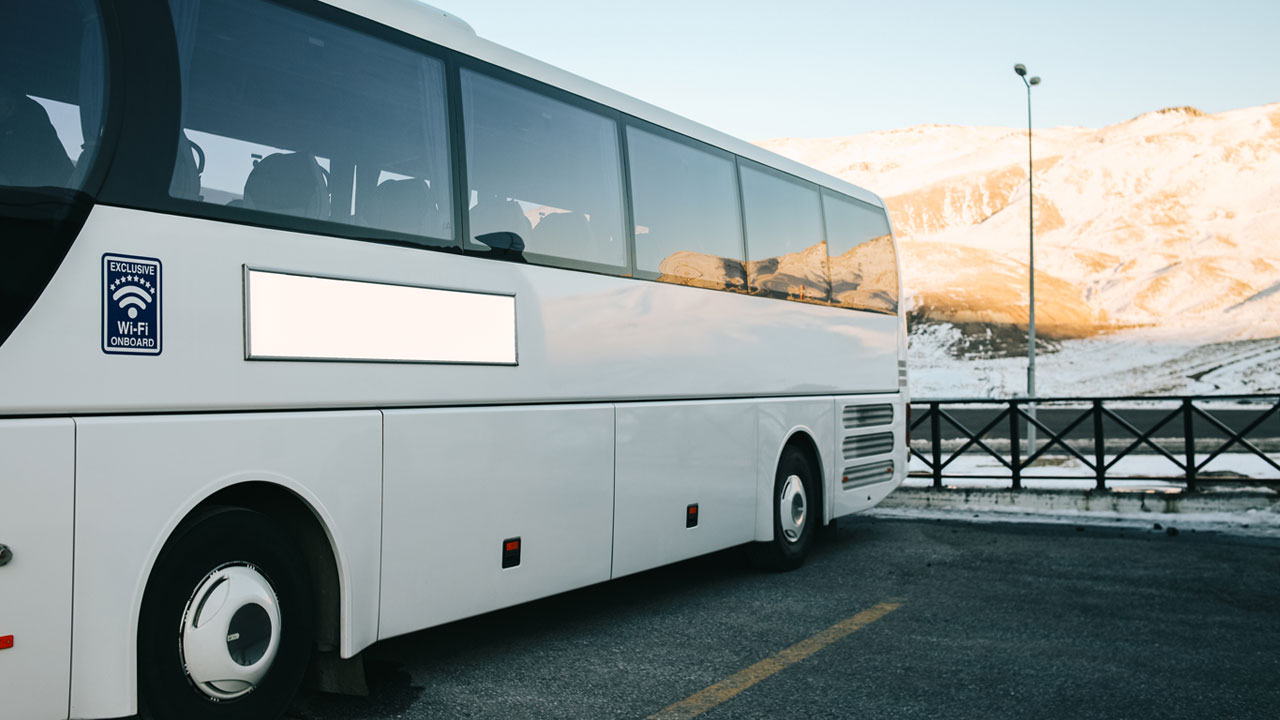
    The itinerary is locked down, the head count is confirmed, and the driver is ready to roll. In the first few hours, everything is smooth sailing, until the first tummy rumbles. That’s when the charter bus food question inevitably arises. Hanging in the air like the scent of that one passenger’s home-packed tuna salad. It’s one of the great existential questions of group travel: Are we allowed to eat food on charter buses?

    The short answer isn’t really short. Yes, it is generally allowed to eat food on a charter bus, but this permission is almost always governed by a crucial layer of rules: the specific operator’s policy and a heavy dose of courtesy.

    Charter buses represent a huge capital expense for a company. These are considered a crucial asset that needs protection from the worst road-trip scourge: the spill. The difference between a public bus and a charter is that the renter is ultimately responsible for the outcome. So, while the brain is screaming, “It’s a long trip; I need fuel! ” The bus company’s ledger is noting that one spilled soda could mean a non-refundable cleaning fee for a group.

    Rules are in the Rental Contract

    When a group charters a bus, whether it’s for a school field trip or a big wedding shuttle, they secure a private and temporary space. This isn’t public transit with fixed rules. It is a vehicle hired under a contractual agreement. That contract does not just mention a cleaning fee, as it provides details on the boundaries of the on-board dining experience.

    It is important to read that fine print because it is where specific liability clauses and code of conduct rules are. The cleaning fee is the company’s defense mechanism against the sticky horrors of a soda explosion or a curry spill. Simply put, if the bus smells like last night’s takeout, who is going to want to rent it tomorrow? Reputational equity is a serious thing in the transportation business, and lingering odors are a quick way to lose it.

    Navigating the Menu

    Reviewing the bus kitchen means becoming an expert in low-mess and low-odor cuisine. It is advised to have things that are easily contained, don’t smell up the cabin, and won’t stain the seating fabric. 

    Good Snacks

    These are the snacks that generally sail through because they leave minimal residue and have a low aromatic footprint. 

    Dry and Non-Greasy Snacks. Pretzels, granola bars, crackers, and trail mixes are the MVPs of on-board snacking because they are quick and compact, and a few crumbs are easily swept up.

    Sealed Beverages. Stick to bottled water, sports drinks, or soda cans with resealable caps or secure tops. An open cup of coffee or a sloshing fountain drink is a catastrophic accident waiting to happen. A tight-fitting water bottle is everyone’s best friend on a moving vehicle.

    Fruit (The Right Kind). Fruits like apples, bananas, or grapes are perfect as they are contained and easy to eat without a plate.

    Sandwiches with Dry Fillings. A classic PB&J or a turkey and cheese sandwich without excessive sauces or lettuce works well, as these have low moisture content.

    Foods That Might Get You Charged

    These foods are either profoundly messy, aggressively greasy, or have a high stink factor. If a food requires a fork, a knife, or a full napkin stack to consume, reconsider, as it is likely a bus disaster waiting to happen.

    Pungent Foods. For the love of the bus air circulation, avoid anything with a strong smell, such as tuna salad or curry. The next group renting the bus shouldn’t have to smell these for their entire trip. 

    Greasy and Saucy Meals. Pizza, wings, tacos, BBQ ribs, or chili dogs are a hard no, as the mess potential for these items is just too high. Imagine a piece of pepperoni sliding off the slice during a curve; now there’s a grease spot on the seat, which is a guaranteed cleaning fee.

    Hot Beverages. While sometimes technically allowed, hot coffee or tea is a burn hazard on a moving vehicle. It is advised to stick to lukewarm in a secure mug if you absolutely must.

    The Unwritten Rule

    Beyond the company policies, there’s a softer and more human element at play, which is the group dynamics and respect. This is where the emotional cue comes in. Think about the driver. They are responsible for the safety of everyone on board. Showing courtesy means not presenting them with a trash avalanche at the end of a long shift.

    Most drivers will appreciate if your group leaves the bus clean more than any tip. It’s not just about cleaning up each spot but ensuring the entire bus is clear of debris.

    Bring Your Own Garbage Management System. For a very big group, don’t just rely on the tiny bin near the front. Bring large and secure trash bags and appoint a group leader to do a final sweep before the deboard. This simple act reduces the chances of incurring a fee, and it’s the best thing to do to ensure a smooth exit.

    Clean up spills immediately. If a disaster happens, grab some napkins or wipes and address the spill right away. An immediate action prevents a small issue from becoming a permanent stain.

    Mind the Neighbors. In group travel, one’s actions are closely connected to the comfort of those around them. Eating that messy and smelly sandwich might make your seatmate feel nauseous.

    The Bottom Line: Leave No Trace

    The charter bus is a private rolling home for the duration of the trip. You must approach it with the care of a trusted guest in a friend’s new car. The answer to the question, “Are you allowed to eat food on charter buses? ” is a conditional “Yes, but you are accountable for the condition of the shared space.” 

    It all boils down to two simple principles. First, always read the contract to know the specific “no-go” foods and the cost of the inevitable cleaning fee. Second, make smart snacking choices. If a meal is drippy, greasy, or pungent, it belongs at a rest stop, not on the bus. A quick and contained snack is fuel, but a full and messy meal is a potential liability.

    Ultimately, group travel is a communal experience, and the charter bus is a shared environment. By following the two abovementioned principles, the group avoids that painful cleaning fee, and the bus is ready for the next set of travelers. It’s all about leaving the bus in the state you hoped to find it.

  • What Are the Best Natural Lakes in Michigan?

    What Are the Best Natural Lakes in Michigan?

    After twenty-five years of living in the beautiful Lakes Area of northwest Oakland County, Michigan, I finally had the opportunity and the gift of exploring a nearby part of the Huron River that I have had my eye on for more than ten years.

    Over a decade ago, I was taking my oldest son to middle school, driving down a dirt road I normally didn’t go down because he was running late, and it was a shortcut to his school. Traveling down this dirt road, I noticed an inlet to an opening of the Huron River that appeared to be a good spot to drop in with kayaks. The view was picturesque and looked like a scene out of some travel advertisement for somewhere Up North.

    The area of this section of the Huron River was so beautiful and breathtaking that it became a mission for me to explore. The problem was that I did not have a kayak or canoe, but we did have a fish and ski boat that we took out on our lake – the largest private lake in our township.

    Our lake is wonderful for boating and fishing, but it’s very difficult to kayak on, as there are so many boats that create large wakes – for which I have no desire to battle. Furthermore, I choose not to run the risk of water damage or loss to Michigan’s best natural lake in Oakland County. Well, at least it’s my favorite natural lake!

    Although I am obviously partial to the waterways where I live (nicknamed the Lakes Area for good reason), according to the State’s official travel and tourism website, Pure Michigan, they chose the following as the best natural inland lakes in Michigan:

    1. “Lake Michigamme – This lake, 40 miles west of Marquette in Michigamme
    2. Big Manistique Lake – Curtis
    3. Lake Charlevoix (Charlevoix, Boyne City and East Jordan)
    4. Lake Leelanau – Leland and Cedar
    5. Torch Lake (Elk Rapids, Alden and Bellaire)
    6. Higgins Lake – Roscommon 
    7. Black Lake – Cheboygan and Presque Isle Counties
    8. Lake St. Clair – Mount Clemens
    9. Pontiac Lake – Waterford
    10. Gull Lake – Augusta
    11. Kalamazoo Lake – Saugatuck and Douglas
    12. Silver Lake – Mears
    13. Reeds Lake – Grand Rapids
    14. Muskegon Lake – Muskegon,”.

    At least one of our Lakes Area lakes made the list: Pontiac Lake. Also, one of my favorite lakes Up North: Silver Lake. We will be vacationing on Silver Lake in Mears in a couple of weeks, and I am very much looking forward to it!

    What are the hidden gem lakes in Michigan?

    Yesterday, I finally took advantage of the opportunity to drop my kayak in at the Huron River inlet I discovered on the nearby dirt road near my home. Thankfully, I now have two kayaks, so I invited a friend to join me on this exploration.

    It was everything I imagined and then some. Kayaking in this area of the Huron River was fairly easy-going, with beautiful scenery and a hidden gem of a lake. You can only get to this gem of a lake by way of the river or from the larger, private, adjacent lake.

    It was quiet, clear, clean, and teeming with large fish. However, because we were in kayaks, we did not get to swim in this little gem, as I couldn’t get out of my kayak without dumping everything in it, let alone get back into it from deep water.

    We paddled on to the larger lake, where we encountered some neighbor friends who invited us to climb aboard their pontoon. We spent a few hours there swimming, drinking plenty of water, and snacking.

    As a lifelong camper, scout, scout leader, and boater, I ventured out for the day prepared. We had the following in my cooler on an ice pack:

    • Two large bottles of water
    • Three sparkling waters
    • Carrot sticks
    • Hummus with cayenne pepper
    • Sweet and spicy rice crackers
    • Wine cheese chunks
    • My iPhone was in a waterproof case (water splashed up onto the back of my kayak while we were shored up, soaking the cooler and my shoes, but thankfully, because it was in a case, it did not get water damage)
    • Swiss army knife
    • Drink cozies
    • Napkins

    A Healthier Michigan reports these, “5 Lesser-Known Michigan Lakes Perfect for Summertime Fun:

    1. Spider Lake – Traverse City
    2. Big Star Lake – Baldwin
    3. Lac La Belle Lake – Keweenaw County
    4. Crystal Lake – Benzie County
    5. Higgins Lake – Roscommon,”.

    Can you swim in Silver Lake, Michigan?

    Earlier, I mentioned that we are taking a trip Up North to Silver Lake. I am beyond grateful to take a one-week summer vacation to stay at a cabin near Silver Lake and the infamous Silver Lake Sand Dunes. My adult son has a Jeep that we will ride on the dunes with, and we will play on Silver Lake with his twenty-foot fish and ski boat.

    The boat is not large enough to take out on the Great Lake, so we will spend a couple of days on the beach at Lake Michigan and enjoy the stunning sunsets in the evening. My younger cousin is coming up from North Carolina to join us as well, and we will make unforgettable memories to cherish for a lifetime for sure.

    The State of Michigan’s official government website has this to say about Silver Lake State Park where you can swim in both Silver Lake and Lake Michigan, “Silver Lake State Park is home to nearly 3 miles of Lake Michigan shoreline, 2,000 acres of sand dunes, a modern campground, a day-use area, a boating access site and the popular 450-acre Silver Lake ORV Area and more.

    Little Sable Point Lighthouse provides opportunities to climb the 100-foot tower, an experience facilitated by the Sable Points Lighthouse Keepers Association. Mac Wood’s Dune Rides operates an interpretive, 40-minute dune tour in the summer months, and special fat-tire bicycling and horseback riding seasons take place in the winter months.

    Silver Lake ORV Area is home to 450 acres of dunes open to ORV riding adventures! The scramble area – the only motorized sand dune riding opportunity east of the Mississippi River – where you can ride ATVs or UTVs, rent one locally or embark on a guided tour. Before you hit the dunes, be sure to familiarize yourself with the park’s parking voucher system, specific rules and safety tips,”.

    What are the best natural lakes in Michigan?

    In conclusion, exploring Michigan’s natural lakes offers unforgettable experiences, from kayaking to hidden gems and vacationing on picturesque shores, embracing the beauty and adventure these lakes provide creates lasting memories to share with friends and family alike.

  • Best Boating Lakes in Michigan

    Best Boating Lakes in Michigan

    As a Michigander, we know that no matter where you live in the Mitten State, you are never more than six miles away from an inland lake or eighty-five miles away from a Great Lake. With that said, there are so many lakes to choose from that it truly depends on who you are asking in regards to what the best boating lakes are in Michigan.

    One of my favorite memories is when we took our children for a day of boating that began on Indian River to Mullet Lake that fed into the Cheboygan River, that leadsto Lake Michigan. We stopped at a restaurant on the way to Lake Michigan for dinner and then we had to head back to our place on Indian River before it was dark as navigating on the Cheyboygan River is very difficult at night.

    It also depends on what type of boating you are doing. For example, below is a basic list of the many types of boats you can choose from:

    • Pontoon boats
    • Fishing vessel
    • Deck boats
    • Catamaran
    • Jet boats
    • Superyacht
    • Runabouts
    • Center console boats
    • Fishing trawler
    • Bass boat
    • Cruisers
    • Dinghy
    • Johnboat
    • Bowrider
    • Houseboats
    • Lifeboat
    • Wakeboard
    • Yacht
    • Canoe/kayak
    • Sailing yachts
    • Ski boats
    • Cabin cruisers
    • Sailboats
    • Personal watercraft/jet ski

    If you ask our state official Travel and Tourism website, Pure Michigan, they will tell you that these are the best boating lakes in Michigan:

    1. “Les Cheneaux Islands – Lake Huron (The Les Cheneaux Islands Resort Area is located in Michigan’s Eastern Upper Peninsula)
    2. Torch Lake – Alden (clear, Caribbean blue waters and breathtaking beauty)
    3. Lake St. Clair – Detroit (the lake that connects Lakes Erie to Lake Huron and the Detroit River)
    4. Spring Lake and Lake Michigan – Grand Haven (boating history of this popular tourist town goes back to the days when the fur traders were the ones plying the waters… It’s also been named the official “Coast Guard City USA.”)
    5. Big Manistique Lake – Curtis (The largest of the Manistique collection of lakes, this 20,000 acre lake connects to hundreds of miles of rivers and streams, making it attractive for boating and fishing alike)
    6. Lake Charlevoix – Charlevoix and Boyne City (A USA Today poll once named this second most beautiful lake in the country, a close second only to California’s Lake Tahoe)
    7. Grand Lake – Alpena
    8. Mullett Lake – Topinabee (With 26 miles of surface area, Mullet Lake is known as the lake with room for everyone… part of the Inland Waterway, a series of connected lakes and rivers that can take you from one side of the state to the other by water)
    9. Lake Leelanau – Leland
    10. Gull Lake – Battle Creek (total surface area of more than 2,000 acres, and there’s a notable sport fishery for trout, salmon, smallmouth bass, smelt and yellow perch),”.

    Personally, I am not a fan of Lake St. Clair as I am a West-sider, and this lake hosts too many East-siders, in my opinion. Mostly because it is often on the “not safe for swimming” list. If I cannot get on any of the Great Lakes, I enjoy my home lake where I live, in the Lakes Area of Southeast Michigan in the County of Oakland.

    How many lakes are in Oakland County?

    There are 387 lakes in Oakland County, and of those lakes, 317 are named, while 70 are unnamed lakes.

    When I was in college, I worked in the restaurant business as a server and a bartender. Growing up in Canton for most of my life, I knew that I would make the most money in restaurants located in Oakland County, as it is home to some of the wealthiest cities in the country, such as Bloomfield Hills and Birmingham.

    While working at a restaurant in Bloomfield Hills, I often pulled double shifts, and because I lived almost an hour away, in between those shifts, I would drive around to look at and sit by the lakes in the area. Immediately, I fell in love with the area. Naturally, out of college, I couldn’t yet afford to be on Orchard Lake, so I found a beautiful area in the Commerce/West Bloomfield location where they are affectionately nicknamed “The Lakes Area.”

    The inland lakes around here are well taken care of, clean, have great fishing, and have fewer incidents of accidents and deaths. The people are friendly, and it has a small-town feel yet has all the amenities that one needs to live and raise a family.

    Additionally, this area is home to several state parks, county parks, and city parks. There is no shortage of trees, lakes, and wildlife. In fact, on a daily basis, I get to see two different bald eagles fly over my house to the lake that they call home – they live in one of the oldest lakeside trees in the area.

    Metromode, a digital news magazine, cites the following about Oakland County lakes:

    • Oakland County’s lakes are a gift from the ice age (The lakes are the result of the de-glaciation of this region about 17,000 years ago)
    • Native people first knew the beauty of Oakland’s lakes (Historical records from the early 1800s suggest the lakes drew native American populations, presumably for their rich stores of fish and birds…The Potawatomi maintained a seasonal village in the northwest shore of Walled Lake as late as the 1820s)
    • Oakland County’s lakes were once the “up north” to Detroiters (to some, they still are)
    • Lakes are for the birds (Fall migration season means Oakland County’s lakes welcome a variety of duck, geese and swan)
    • Lakes spur industry… and connect generations
    • Lakes boost property values (Oakland County’s lakes add more than $1 billion in value to Oakland County’s residential properties…water-based recreation generates about $200 million annually in the county.)
    • Lakes are managed by the people who live on them (Addressing lake and watershed health issues is an important part of the work of a lake association or lake management board, which is a collective of local government and resident stakeholders who work collaboratively to monitor such things as water bacteria and invasive aquatic species and plants.)
    • Shorelines are critical to lake health

    A judge sets many of Oakland County’s lake levels (By law, 54 of Oakland County’s lakes in the river basins of the Clinton, Huron, Rouge, Shiawassee and Flint Rivers have water levels which are monitored and maintained by court order to provide flood control, maximize recreation and protect property values.),”.

    What is the coldest lake in the United States

    Fortunately, I have had the privilege of swimming in four of the five Great Lakes, as well as many rivers, while traveling and camping with my family. By far, Lake Superior, with its northernmost location, is the coldest lake to swim in.

    The Great Lakes Commission notes that, “With an average depth approaching 500 feet, Superior also is the coldest and deepest (1,332 feet) of the Great Lakes. The lake stretches approximately 350 miles from west to east, and 160 miles north to south, with a shoreline almost 2,800 miles long. The drainage basin, totaling 49,300 square miles, encompasses parts of Michigan, Minnesota, Wisconsin and Ontario,”.

    Best boating lakes in Michigan

    In conclusion, Michigan offers countless boating adventures with diverse options, like Torch Lake’s Caribbean-blue waters, Lake Huron, and the many inland lakes of Oakland County.