Dating back at least twenty-five years, I started wearing shoes that provided the best support for my aching feet after waiting tables all day. Although I am no longer a server, I still seek out shoes designed for shock absorption, such as running shoes, insole supports, and footwear recommended by podiatrists. Currently, I am wearing New Balance, but I am considering switching to Hoka’s as they are what my older cousin, who is a nurse at an elder care facility in Michigan, wears.
Furthermore, supportive footwear is essential, especially when standing on hard surfaces like concrete. Shoes with proper arch support and cushioning are making a huge difference for me. Shoes specifically designed for people who stand for long periods are built to reduce pressure on the joints and provide better shock absorption, especially as we age.
My cousin and I are no longer spring chickens, and from what I can tell, we are not getting any younger!
In addition to footwear, my doctors have recommended physical therapy sessions, which have helped strengthen the muscles supporting my feet, legs, and lower back, thereby creating a more stable foundation and reducing compensatory movements that have led to pain, most notably in my knees, as well as in those areas. Exercises that focus on stretching and strengthening the hip flexors, quadriceps, hamstrings, and calves also improve overall alignment and reduce joint stress.
Let’s not forget about ergonomics! I have been using anti-fatigue mats to mitigate some of the harsh impacts of standing on my tile floors in the kitchen and on the concrete floor in my laundry room for years. However, I do not have an outdoor anti-fatigue mat yet, but I will be investing in one as soon as possible.
The mats do offer a softer surface that reduces the strain on my body, but the pain is still there, just not as intense. In fact, I just ordered some new mats for my kitchen that are supposed to be more durable for my dogs. Their nails have scratched up the current set and are chipping.
By maintaining an open dialogue with my healthcare providers throughout my injury and pain challenges, the pain management plans have reflected any changes in my conditions as well as incorporated new strategies and treatments as needed. Effective communication about symptoms and treatments will better inform the decisions I make, enhancing the management of chronic pain big time.
*Note: All content within this article is meant for informational purposes only and is in no way a replacement for professional medical or psychological advice or support. Seek immediate and appropriate care from a healthcare professional should you or a trusted loved one deem it necessary.
Why does standing on concrete hurt?
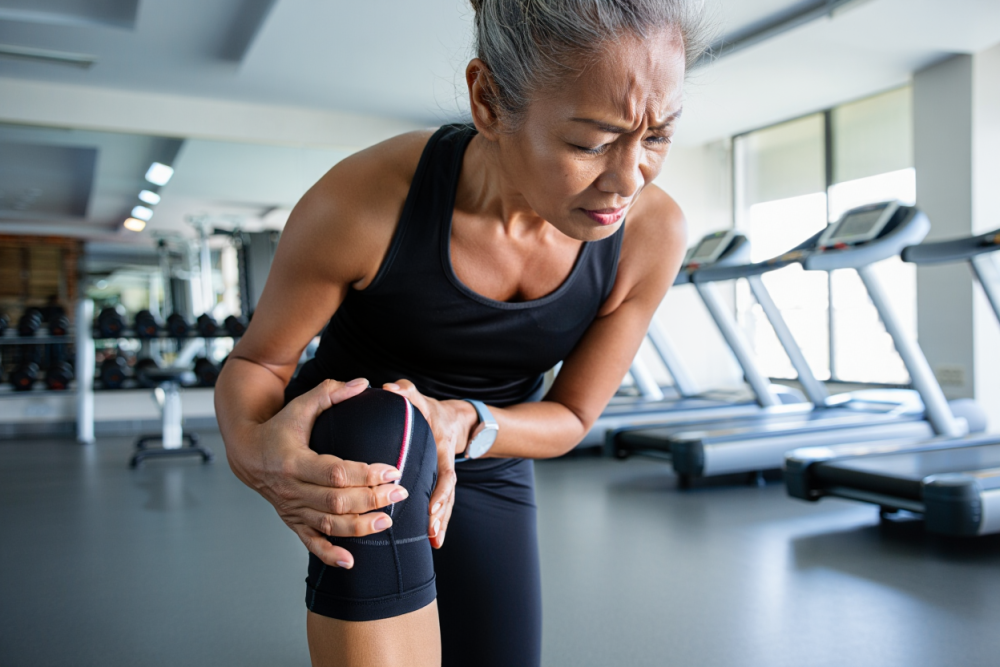
While standing on concrete and my stone driveway for about thirty-five minutes or so, and after grilling dinner for my family, I can barely walk or stand on my left leg because of intense pain in my hip. There is severe pain in my knee as well. None of this is very odd to me, except that I have had somewhat of a period of respite from five-plus years of chronic pain. Chronic pain that has been, at some point, debilitating in the following areas:
- Left shoulder
- Right shoulder
- Left hip
- Lower left back sciatica
- Lower right back sciatica
- Torn meniscus on left knee
- Torn meniscus on the right knee
- Old neck injury
The reason why standing on concrete hurts my back, knees, and hips is that, unlike other surfaces, concrete has no give, and its inflexibility affects the body, especially for middle-aged women like me, who often feel as though they have no shock absorbers left when standing on hard surfaces.
For example, when standing on hard surfaces, I am notably susceptible to backaches, knee pain, swollen legs, and sore feet. Because this specific pain has not been treated yet, I experience a flare-up of old injuries and suffer from chronic pain.
Some of my best pain relief techniques involve soaking in an Epsom salt bath for at least twenty-five minutes, once a day. It makes a huge difference for me. Throughout all the years I have been in sports recovery, I have employed the following:
- Chiropractors
- Orthopedics
- Physical therapists
- Acupuncturists
- Massage therapists
- Cortisone shots
- Taking it easy
- Sports rubs
- Epsom salt baths
As you can see, I have tried just about everything short of getting surgery, and unfortunately, it looks like I will end up needing knee surgery after all. But now I am wondering where this recent pain is coming from. Is it coming from my hip, or is it something in my feet? Let’s find out more below.
Link between feet and back pain
Because all the treatments and efforts to relieve my chronic pain have not completely eradicated it, I am now wondering if the pain is coming from my feet. Well, I can tell you that every source I have researched said yes, the bunion on my foot can most definitely cause hip, back, and knee pain.
According to podiatrists at Kew Foot Clinic, “They (bunions) are however more than just a cosmetic problem. They can become a major medical problem for several reasons. The main problem is:
Having a distorted big toe joint along with this joint becoming rigid in its range of motion changes how a foot pivots through propulsion. When a foot can no longer pivot at this joint it reduces knee and hip flexion causing stress on these joints.
A bunion deformity can also change the alignment of the knee and hip causing excessive internal or external knee rotation leading to scoliosis of the spine,”.
My healthcare team told me that if I suspect my feet might be the culprit, it would be wise to consult a podiatrist for a thorough evaluation. Custom orthotics might also be beneficial, as they can provide the support needed to correct your gait and distribute weight more evenly, potentially alleviating some of the strain on my knees, hips, and back.
Best walking shoes for senior women
In conclusion, supportive shoes, smart ergonomics, and open communication with healthcare providers can make all the difference—your feet truly are the foundation of whole-body wellness.